Great White Shark
The world's most famous apex predator — how the white shark grows to six metres, hunts seals with a warm body and an electric sixth sense, crosses ocean basins, and became one of the most protected sharks on Earth.
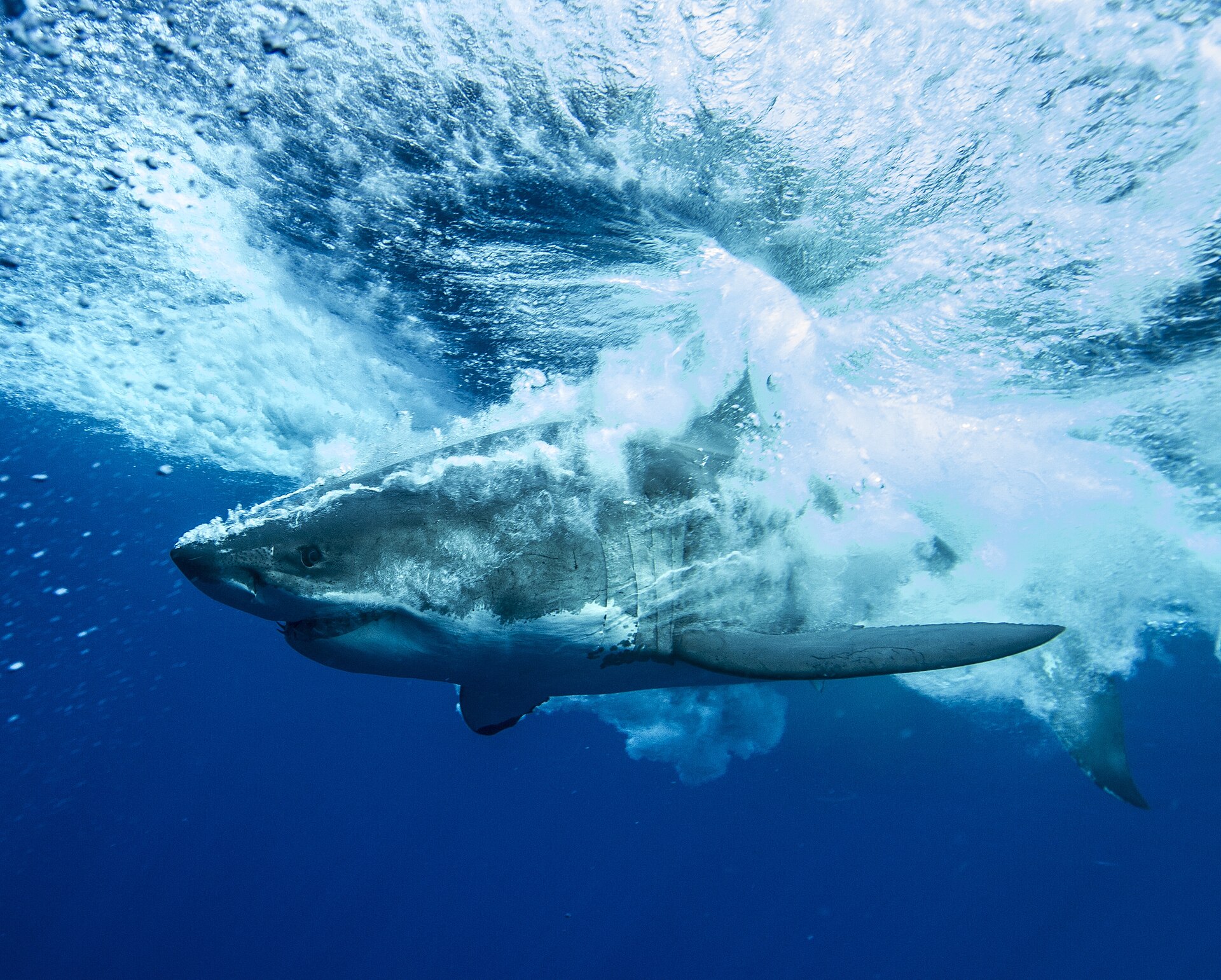
The great white shark (Carcharodon carcharias) is a large, regionally endothermic mackerel shark of temperate and subtropical seas, growing to about 6 metres and preying on seals, sea lions, fishes and other sharks. It detects prey at close range with its electrosensory ampullae of Lorenzini, dives to more than 1,000 metres and undertakes long-distance trans-oceanic migrations. Assessed as Vulnerable on the IUCN Red List, it has been protected across much of its range since the 1990s, and modern tagging studies indicate recovery in the western North Atlantic and central California.
In this article
- 1Overview
- 2Taxonomy and Naming
- 3Description and Size
- 4Distribution and Habitat
- 5Behavior and Physiology
- 6Diet and Feeding
- 7Reproduction and Life History
- 8Population and Conservation Status
- 9Threats and Protection
- 10Human Interaction and Attacks
- 11Research and Monitoring
- 12Timeline: from 1758 to the 2020s
- 13Knowledge graph
Overview
Thanks in part to the immensely popular 1975 film Jaws, which starred a massive great white, the species is one of the most recognized sharks in the world.
1. Taxonomy and Naming
The great white shark is classified scientifically as Carcharodon carcharias, a member of the family Lamnidae within the order Lamniformes. The species was first named Squalus carcharias in 1758. Since that initial designation, it has been assigned a variety of scientific names.
2. Description and Size
| Attribute | Value | Source |
|---|---|---|
| Maximum length | Estimated about 600 cm (20 ft); possibly up to 640 cm (21 ft) | florida-museum-white-shark |
| Largest reliably measured | Female 6.4 m; largest male 5.5 m | doc-nz-leaflet |
| Maximum weight | About 2,500 kg reported for females; adult males about half the weight of similar-sized females | doc-nz-leaflet |
| Size at maturity | Males about 350–410 cm (10–13 ft); females about 450–500 cm (14–16 ft) | florida-museum-white-shark |
| Size at birth | 120–150 cm total length | iucn-white-shark |
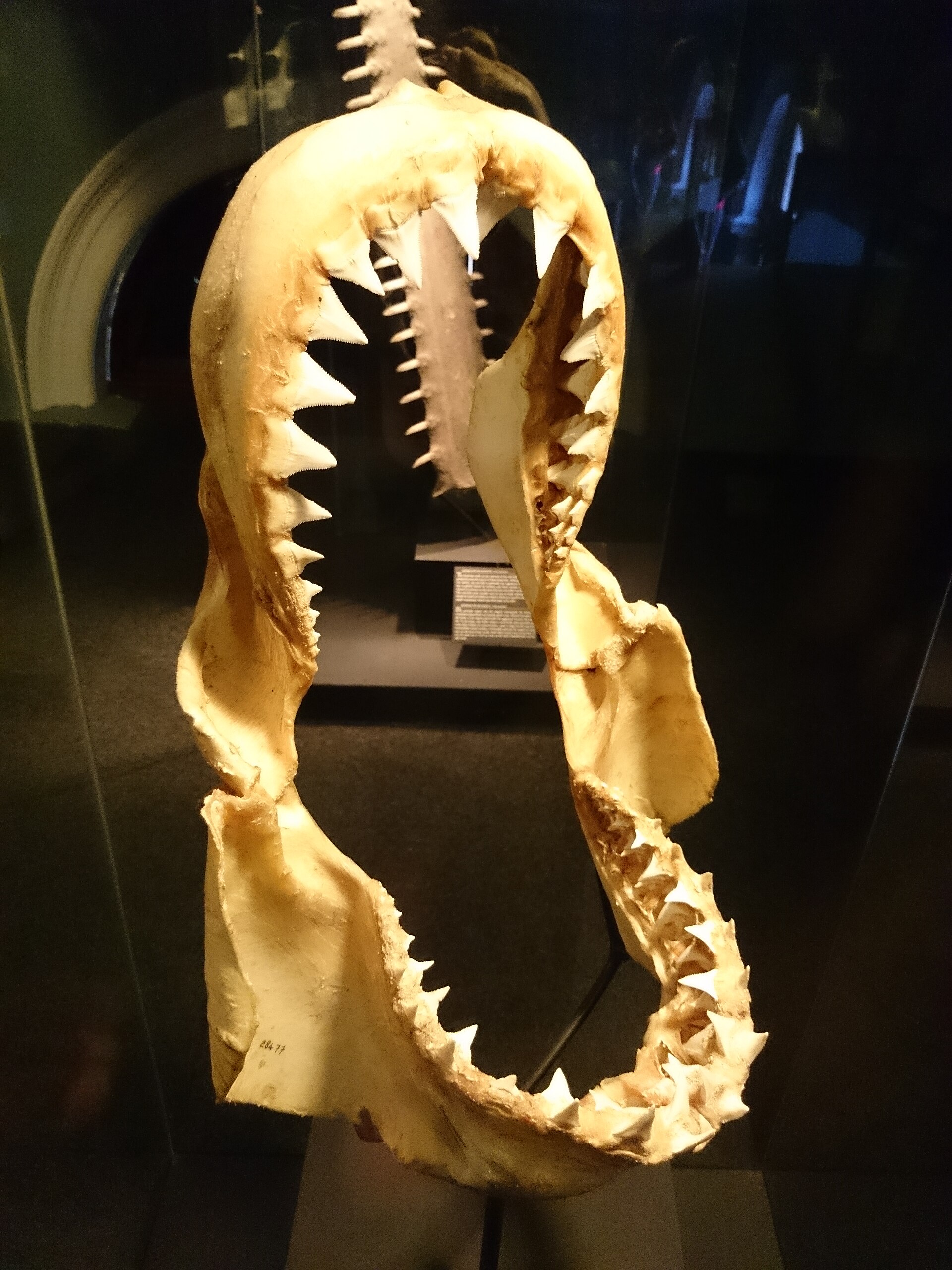
The maximum size attained by white sharks is the subject of contentious debate and speculation; modelling suggests a maximum total length of about 600 cm and possibly up to 640 cm 2White Shark — Discover Fishes · Florida Museum of Natural History, University of Florida ↗. The largest white shark considered accurately measured in the western North Atlantic was a female landed on Prince Edward Island in Canada in August 1983 and measured 5.26 metres fork length, or about 5.63 metres total length 3Seasonal Distribution and Historic Trends in Abundance of White Sharks, Carcharodon carcharias, in the Western North Atlantic Ocean · PLOS ONE ↗. Reported maxima reach about 2,500 kg for females, while adult males weigh about half as much as similar-sized females 4Great white shark leaflet (February 2009) · Department of Conservation, New Zealand ↗. Males mature at about 350–410 cm and females at about 450–500 cm 2, and pups are born at 120–150 cm total length 5Carcharodon carcharias (White Shark) — amended 2019 assessment, published 2022 · The IUCN Red List of Threatened Species ↗.
3. Distribution and Habitat
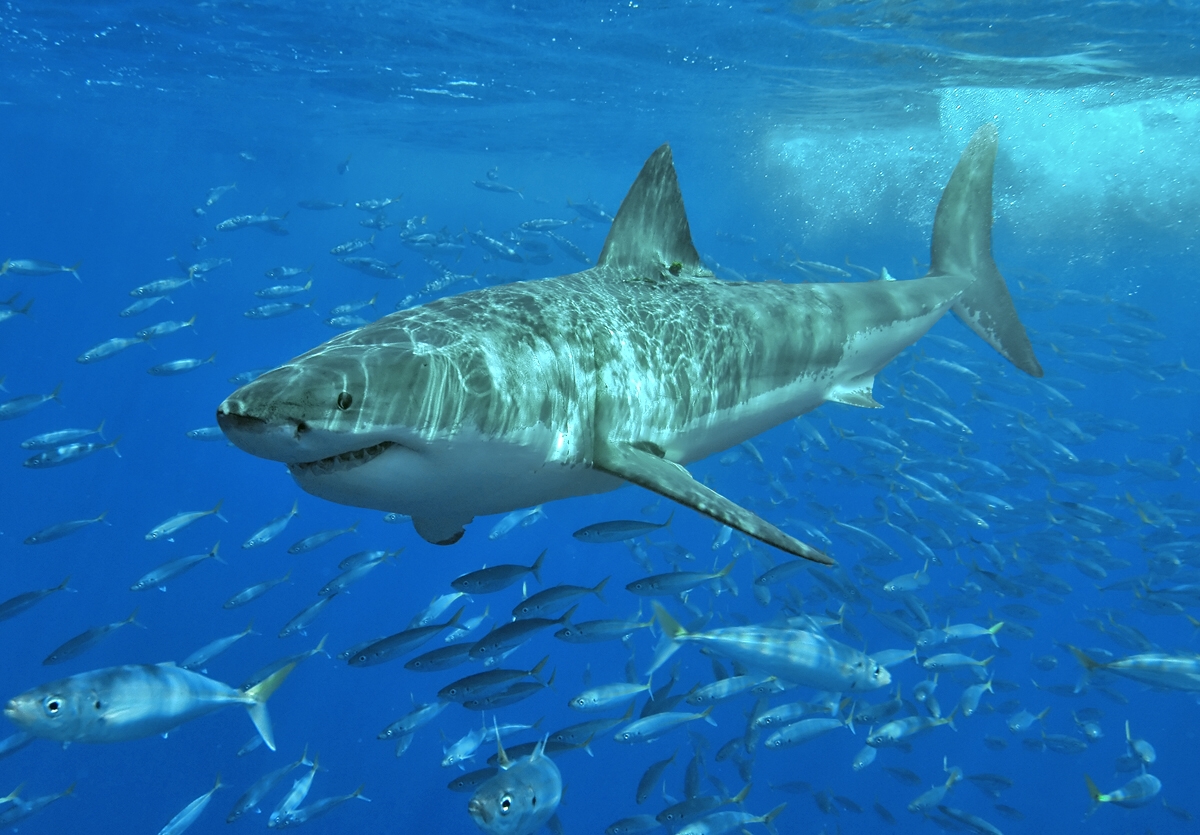
The great white shark occurs worldwide in temperate and subtropical waters, and it is wide-ranging throughout most temperate and tropical oceans, though it appears most frequently in temperate waters. Its geographic range is extremely wide, extending from 60 degrees north latitude to 60 degrees south, where it can be found in cold temperate and tropical coastal waters. While the species is cosmopolitan, it is predominantly found in temperate seas, and a few large individuals have been recorded in tropical waters.
The white shark often migrates seasonally to follow its preferred temperature range. Movement studies and DNA analyses show that the species undertakes long distance trans-oceanic movements, for example between South Africa and Australasia and between California and the Hawaiian Islands.
It is a large coastal and pelagic shark, wide-ranging through most temperate and tropical oceans to depths of 1,200 metres, and prefers water temperatures of approximately 50 to 80 degrees Fahrenheit.
4. Behavior and Physiology
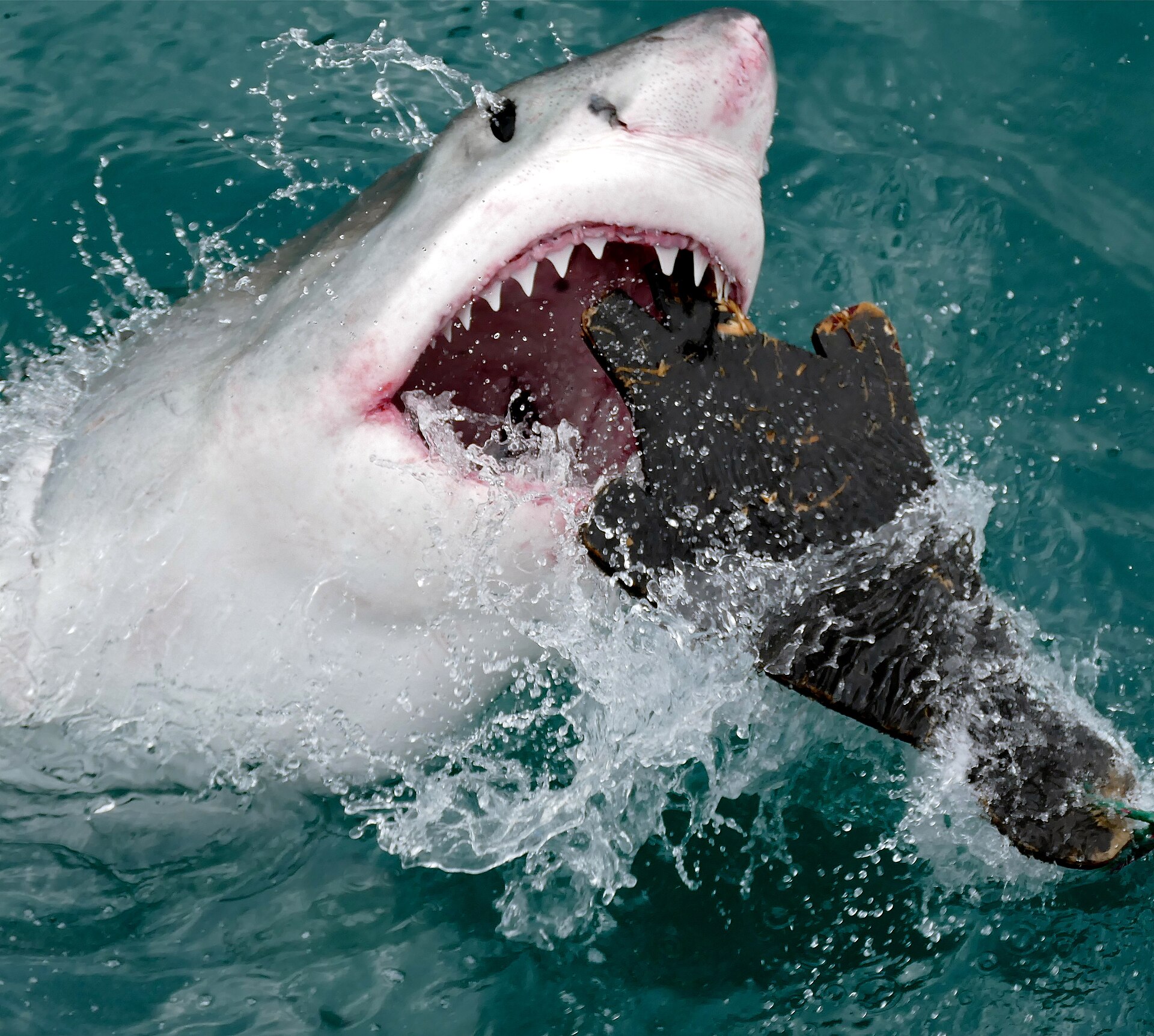
It is endothermic, or warm-blooded, allowing it to maintain a body temperature higher than the surrounding waters. Great whites can rocket through the water at speeds approaching 35 miles an hour and have a bite force of up to 1.8 metric tons.
The ampullae of Lorenzini form a network of hundreds or thousands of pores on the shark's head, each opening onto canals that lead to a gel-filled chamber lined with nerve cells. They consist of sensory vesicles that communicate with the water by a jelly-filled canal leading to an opening in the skin. The organs detect the electrical impulses generated by the muscle contractions of nearby fish, seals or other creatures, and they are sensitive enough to detect a beating heart. The ampullae may help sharks follow water currents and may serve as an internal compass, allowing navigation across hundreds or thousands of miles by following Earth's magnetic field. By the early 1970s experiments had accredited sharks and rays with an electric sense and designated the ampullae of Lorenzini as electroreceptors.
At feeding aggregations such as whale carcasses, this generally solitary species often establishes temporary social hierarchies based largely on size. Recent research has demonstrated that great whites are socially complex, featuring behaviors such as parallel swimming, jaw gaping, pectoral fin depression, and even splash-fights. The white shark appears intelligent and inquisitive and exhibits complex social behaviors.
5. Diet and Feeding
The great white shark feeds on a diet that is diverse and opportunistic, taking fish, invertebrates and marine mammals. Depending on its size and age, it targets crustaceans, mollusks, sea birds, sea turtles and marine mammals including sea lions, seals, dolphins and even some whales, and will also scavenge dead whale carcasses.
A study of white shark diet combined stomach contents analysis of 40 sharks caught incidentally off New South Wales with literature prey nutritional data and a multidimensional nutritional niche framework. The diversity of benthic and reef-associated species and batoids in the diet suggests regular benthic foraging by juvenile white sharks. The same work found evidence of increased batoid consumption by males relative to females, and a potential size-based increase in shark and mammal prey consumption, matching established ontogenetic increases in trophic level.
6. Reproduction and Life History
The great white shark reproduces by aplacental viviparity, a mode that involves oophagy and histotrophy, and litters range from 2 to 17 pups within a suspected two to three year reproductive cycle. Gestation is thought to take about 12 months.
In age terms, males mature at about 10 years, while females mature at 12 to 18 years. The species is very long-lived, up to 73 years, with females not reaching maturity until 33 years, giving it a long generation length of 53 years.
7. Population and Conservation Status
The great white shark is assessed on the IUCN Red List as Vulnerable A2bd ver 3.1, an assessment carried out on 7 November 2018 and published in 2022. The global population is considered to be decreasing, with an estimated reduction of 30 to 49 percent over three generations, a span of 159 years.
Across those three generation lengths of 159 years, the species is estimated to be increasing in abundance in the Northeast Pacific and Indian Ocean while declining from historic levels in the Northwest Atlantic and South Pacific. Although white sharks show signs of recovery in some regions where the species is well protected, most studies reveal low-to-moderate population sizes in the hundreds to thousands of individuals.
In New Zealand, the great white shark is assessed as Nationally Endangered under the New Zealand Threat Classification System. The adult population trend there is estimated to have slightly declined or remained stable since the early to mid 2000s. In the northwest Atlantic, abundance in 2010 was approximately 30 percent below historic averages, yet evidence suggests trends have gradually increased since the 1990s, likely because of changes in fishing regulations.
Regional estimates give a sense of local population scale. Off central California, an initial photographic identification estimate from a three-year study estimated 219 individuals, while a subsequent eight-year mark-recapture study found a relatively small group of fewer than 300 white sharks, with the adult demographic stable or slightly increasing.
8. Threats and Protection
The white shark is caught as bycatch mostly in inshore fisheries, across a range of gears that includes longlines, setlines, gillnets, trawls, hand-held rod and reel, and fish-traps. Despite their relative rarity, white sharks are frequently caught by humans, due in part to the increasing monetary value placed on their jaws and teeth. Trade in the species is also substantial at the international scale: between 2000 and 2016 an average of 16,117 metric tons of shark fin products were traded internationally each year.
In 2012 NOAA Fisheries conducted a status review of a request to list white sharks in the Northeast Pacific as endangered under the Endangered Species Act and concluded that the listing was not warranted.
An offence against the Wildlife Act is liable for a fine of up to $250,000 and two years imprisonment. International trade in great white shark products is regulated under the Convention on International Trade in Endangered Species.
Before 1994, juvenile white sharks caught in commercial fisheries were killed and their meat was sold in fish markets and restaurants throughout California, and in 1994 California banned nearshore gillnets in state waters because they were the primary fishery responsible for capturing and killing juvenile white sharks.
The species has been listed as a prohibited species in United States waters since 1997, and no commercial or recreational harvest is allowed.
New Zealand has fully protected the species in its waters since 2007 under national law.
9. Human Interaction and Attacks
The 1916 attacks along the Jersey Shore stand as the episode that fixed the great white in the public imagination as a man-eater. In five attacks, four people died and another was wounded, and the event sparked a newfound fear of sharks. News of the attacks reached the highest levels of government; George Burgess of the International Shark Attack File said it literally landed on the desk of the president. The severity of the human injuries, together with the fact that a great white shark was later caught with human remains in its stomach, led researchers to believe the attacks were the work of a great white rather than a bull shark.
The first victim, 25-year-old Charles Vansant, was attacked during an evening swim at Beach Haven on July 1 and quickly bled to death. Five days later Charles Bruder, a young bellhop at a hotel in Spring Lake, met a similar fate; the shark then traveled 30 miles north and entered Matawan Creek, 16 miles inland. On July 12 Lester Stillwell, aged 11 years, was playing in the creek when the shark attacked; a young man named Watson Stanley Fisher tried to rescue him and was fatally injured, while the shark's fifth victim, teenager Joseph Dunn, was bitten less than half an hour later and survived.
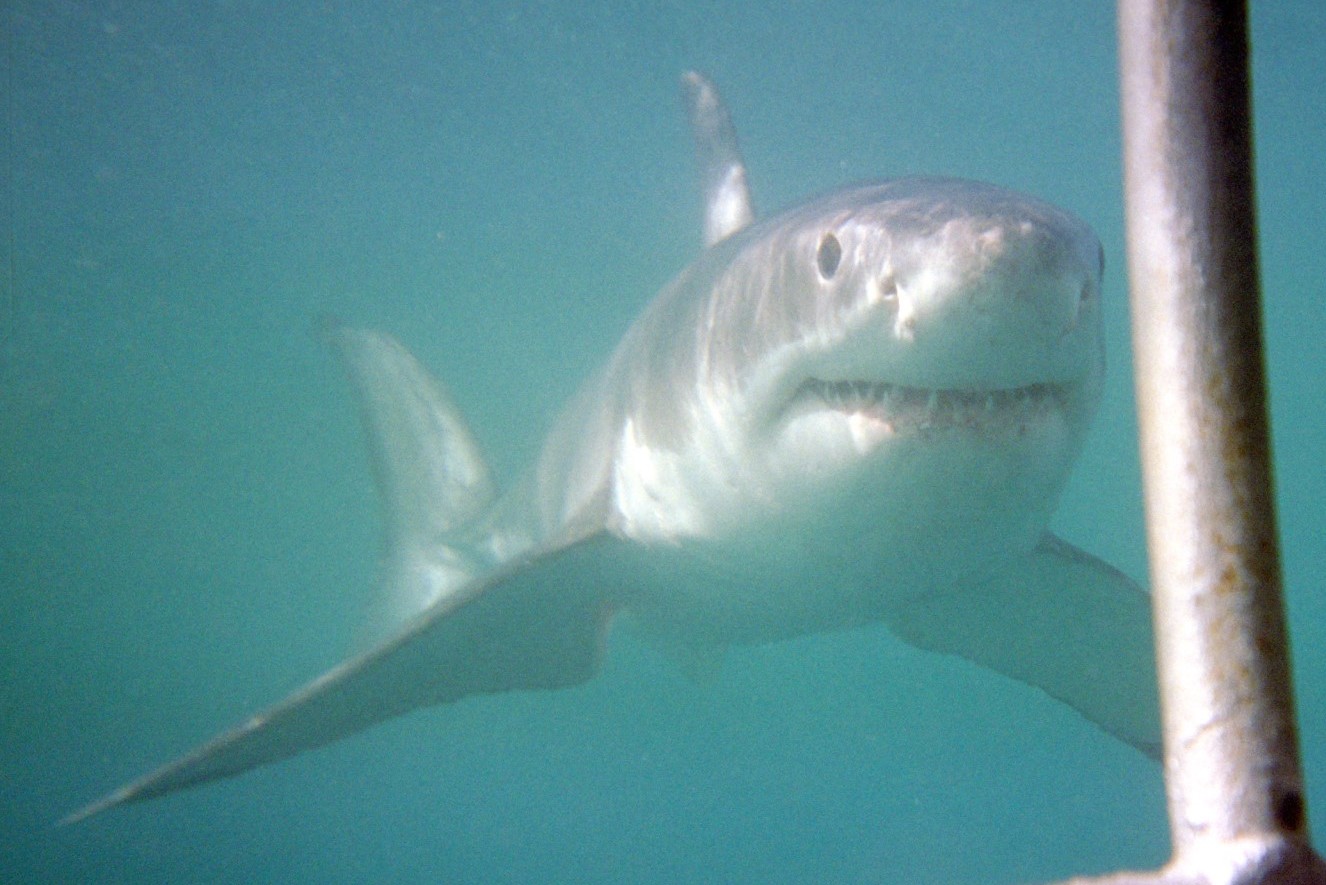
The shark's spree is said to have inspired Jaws, both Peter Benchley's novel and Steven Spielberg's blockbuster film, though in 2001 Benchley denied the connection in a correction to a New York Times article. The International Shark Attack File was initiated in 1958 and now holds more than 6,800 individual investigations covering the period from the early 1500s to the present. It is housed at the Florida Museum of Natural History and is the only scientifically generated database that documents and monitors shark attacks on a global basis. In New Zealand, there have been 9 recorded non-fatal shark attacks since 1990 and several fatal attacks in the 1960s.
10. Research and Monitoring
Researchers tracked 48 large juvenile to adult white sharks in the western North Atlantic between 2012 and 2020 using satellite-linked and acoustic telemetry. White sharks monitored with pop-up satellite-linked archival tags made extensive use of the water column from the surface to 872 metres and experienced temperatures from below zero to over 30 degrees Celsius, though sharks spent the majority of their time in much narrower depth and temperature ranges than the extremes recorded. Larger sharks of both sexes showed a trend of increasing use of pelagic waters, with a higher proportion of locations off the continental shelf relative to smaller individuals. Summer residency areas included coastal Massachusetts and parts of Atlantic Canada, with individuals showing fidelity to specific regions over multiple years, followed by an autumn and winter migration.
A synthesis of 649 confirmed white shark records from the western North Atlantic compiled over the period 1800 to 2010 remains among the largest datasets for the region. White sharks primarily occur between Massachusetts and New Jersey during summer and off Florida during winter, with broad distribution along the coast during spring and fall. Historic abundance trends support a significant decline in white shark abundance in the 1970s and 1980s, but there have been apparent increases since the 1990s when a variety of conservation measures were implemented.
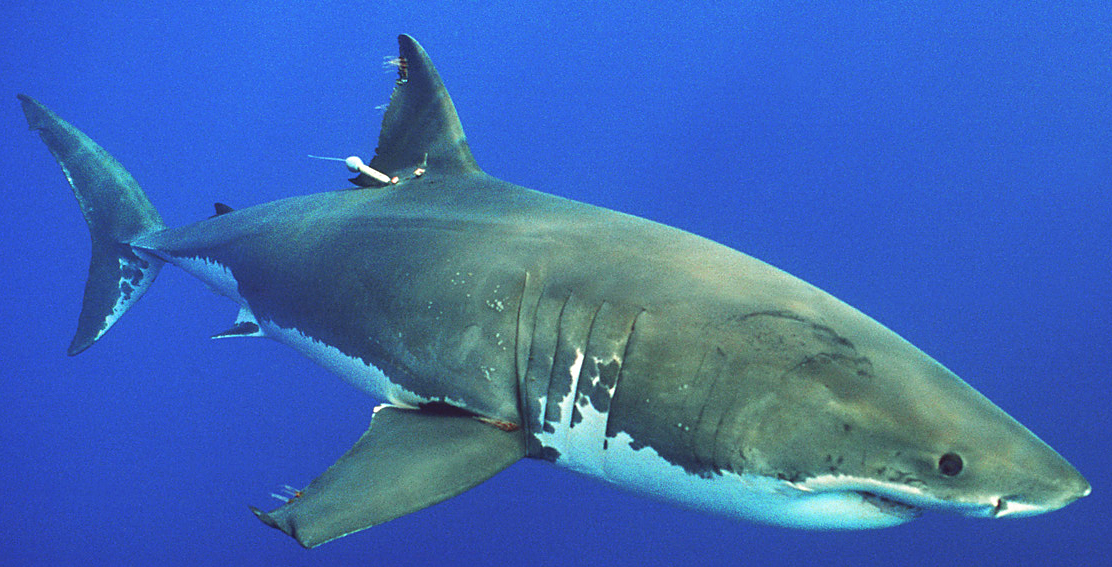
Two nursery areas have been identified for white sharks in the eastern North Pacific: southern California and Vizcaino Bay in Baja California, Mexico. Southern California beaches provide ideal nursery habitat for young white sharks because the water is warmer, food such as stingrays, fish and squid is easy to catch, and predators like adult white sharks, large mako sharks and orcas are less present. Juvenile white sharks are one of the few warm-bodied sharks that use nearshore nursery habitats, but juveniles are thought to be too small to maintain their body temperature efficiently.
Researchers tracked 22 juvenile white sharks, 13 females and 9 males, that had been tagged with acoustic transmitters before and during Tropical Storm Hilary. Two arrays of underwater receivers recorded more than 524,000 detections, creating a detailed record of the sharks' movements during the storm. Detected sharks declined by roughly half during the storm, dropping to as few as eight, and most returned to the nursery within a few days, with nearly every shark back within three weeks.
Nine white sharks were detected on the outer shelf of the northwestern Gulf of Mexico over a three-year period from 2022 to 2025, with some individuals travelling nearly 3,800 kilometres from their tagging locations.
Approximately 800 individuals visited the waters off Cape Cod from 2015 to 2018, and from almost 3,000 videos collected during 137 research trips off Cape Cod's beaches, researchers identified 393 individual white sharks.
11. Timeline: from 1758 to the 2020s
- 1758The white shark is first namedThe species was first named Squalus carcharias in 1758 and has since been assigned a variety of scientific names before settling as Carcharodon carcharias.
- July 1–12, 1916The Twelve Days of TerrorFour people died and another was wounded in five shark attacks along the New Jersey shore, an event that sparked a newfound fear of sharks and later inspired the novel and film Jaws.
- 1958International Shark Attack File initiatedThe ISAF began as the world's only scientifically documented, comprehensive database of shark attacks; it now holds more than 6,800 individual investigations.
- 1994California protects white sharksCalifornia made it illegal to target, land or kill a white shark in state waters and banned nearshore gillnets, the fishery chiefly responsible for killing juvenile white sharks.
- 1997Prohibited in United States Atlantic watersWhite sharks were listed as a prohibited species, with no commercial or recreational harvest, in United States waters.
- 2007New Zealand protectionGreat white sharks became fully protected in New Zealand waters, where the species is a recognised global hotspot.
- 2011First abundance estimate off central CaliforniaA photographic mark-recapture study estimated 219 mature and sub-adult white sharks off central California, the first rigorous estimate for the northeastern Pacific.
- 2012NOAA Fisheries status reviewA status review of a petition to list the northeastern Pacific white shark as endangered under the U.S. Endangered Species Act concluded that listing was not warranted.
- 2014A 210-year synthesis of Atlantic recordsResearchers published a synthesis of 649 confirmed white shark records from the western North Atlantic spanning 1800 to 2010, the largest such dataset for the region.
- 7 November 2018IUCN assessment adoptedThe global white shark assessment was adopted, concluding a 30–49% reduction over three generations; it was published in an amended version in 2022 as Vulnerable A2bd.
- 2021First regional population trend off CaliforniaAn eight-year mark-recapture study produced the first empirical estimate of regional population trend for white sharks in central California, suggesting a small population of fewer than 300 adults and sub-adults with a stable or slightly increasing adult group.
- 1 August 2023First abundance estimate for the western North AtlanticUsing almost 3,000 videos and 393 identified individuals, researchers estimated that approximately 800 white sharks visited the waters off Cape Cod from 2015 to 2018.
- August 2023Sharks flee a tropical stormAcoustic tracking of 22 tagged juvenile white sharks showed they temporarily left their San Diego nursery as Tropical Storm Hilary arrived, most returning within days.
- 16 September 2026White sharks recorded in a Gulf of Mexico sanctuaryResearchers reported nine acoustically tagged white sharks in Flower Garden Banks National Marine Sanctuary over 2022 to 2025, some travelling nearly 3,800 km from their tagging locations.
References (24)
- 1Great white shark facts — National Geographic WebView source
- 2White Shark — Discover Fishes — Florida Museum of Natural History, University of Florida Web↩View source
- 3Seasonal Distribution and Historic Trends in Abundance of White Sharks, Carcharodon carcharias, in the Western North Atlantic Ocean — PLOS ONE Journal↩View source
- 4Great white shark leaflet (February 2009) — Department of Conservation, New Zealand 2009 Web↩View source
- 5Carcharodon carcharias (White Shark) — amended 2019 assessment, published 2022 — The IUCN Red List of Threatened Species 2019 Web↩View source
- 6Carcharodon carcharias (great white shark) — Animal Diversity Web, University of Michigan Museum of Zoology WebView source
- 7White Shark — NOAA Fisheries (National Oceanic and Atmospheric Administration) WebView source
- 8Ampullae of Lorenzini — Marine Science Institute, The University of Texas at Austin (Science and the Sea) WebView source
- 9The Electric Sense of Sharks and Rays (Journal of Experimental Biology 55: 371–383, 1971) — University of Hawai'i (author PDF of the J. Exp. Biol. paper by A. J. Kalmijn) 1971 WebView source
- 10Diet Composition and Nutritional Niche Breadth Variability in Juvenile White Sharks (Carcharodon carcharias) — Frontiers in Marine Science 2020 JournalView source
- 11Future Research Directions on the “Elusive” White Shark — Frontiers in Marine Science 2018 JournalView source
- 12Technical analysis of the Sea Change Plan's protected species proposals — Department of Conservation, New Zealand WebView source
- 13White shark Species Status Assessment (New York State Wildlife Action Plan 2025) — New York State Department of Environmental Conservation 2025 WebView source
- 14Estimates of regional annual abundance and population growth rates of white sharks off central California — Biological Conservation (U.S. Fish and Wildlife Service docket copy, FWS-R8-ES-2022-0013) 2022 WebView source
- 15Great White Shark — Oceana WebView source
- 16Great white shark: Sharks/mango — Department of Conservation, New Zealand WebView source
- 17Juvenile White Shark Behavior and Biology — Shark Lab, California State University, Long Beach WebView source
- 18How a century of fear turned deadly for sharks — Florida Museum of Natural History, University of Florida WebView source
- 19The Shark Attacks That Were the Inspiration for Jaws — Smithsonian Magazine WebView source
- 20International Shark Attack File — Florida Museum of Natural History, University of Florida WebView source
- 21Spatio-Temporal Variability in White Shark (Carcharodon carcharias) Movement Ecology During Residency and Migration Phases in the Western North Atlantic — Frontiers in Marine Science 2021 JournalView source
- 22Juvenile Great White Sharks Fled Their Nursery During Tropical Storm Hilary — Scripps Institution of Oceanography, UC San Diego WebView source
- 23White shark occurrence in Flower Garden Banks National Marine Sanctuary revealed from acoustic telemetry in an offshore MPA — Frontiers in Marine Science 2026 JournalView source
- 24Study Presents First Population Estimate for White Sharks off Cape Cod, Massachusetts — Atlantic White Shark Conservancy 2023 WebView source
 Monarch Butterfly
 Gray Wolf
 Megalodon