Honey
The history of honey, from prehistoric honey hunters and Egyptian apiaries to the biology of the honey bee, honey in medicine and religion, and the world honey trade.
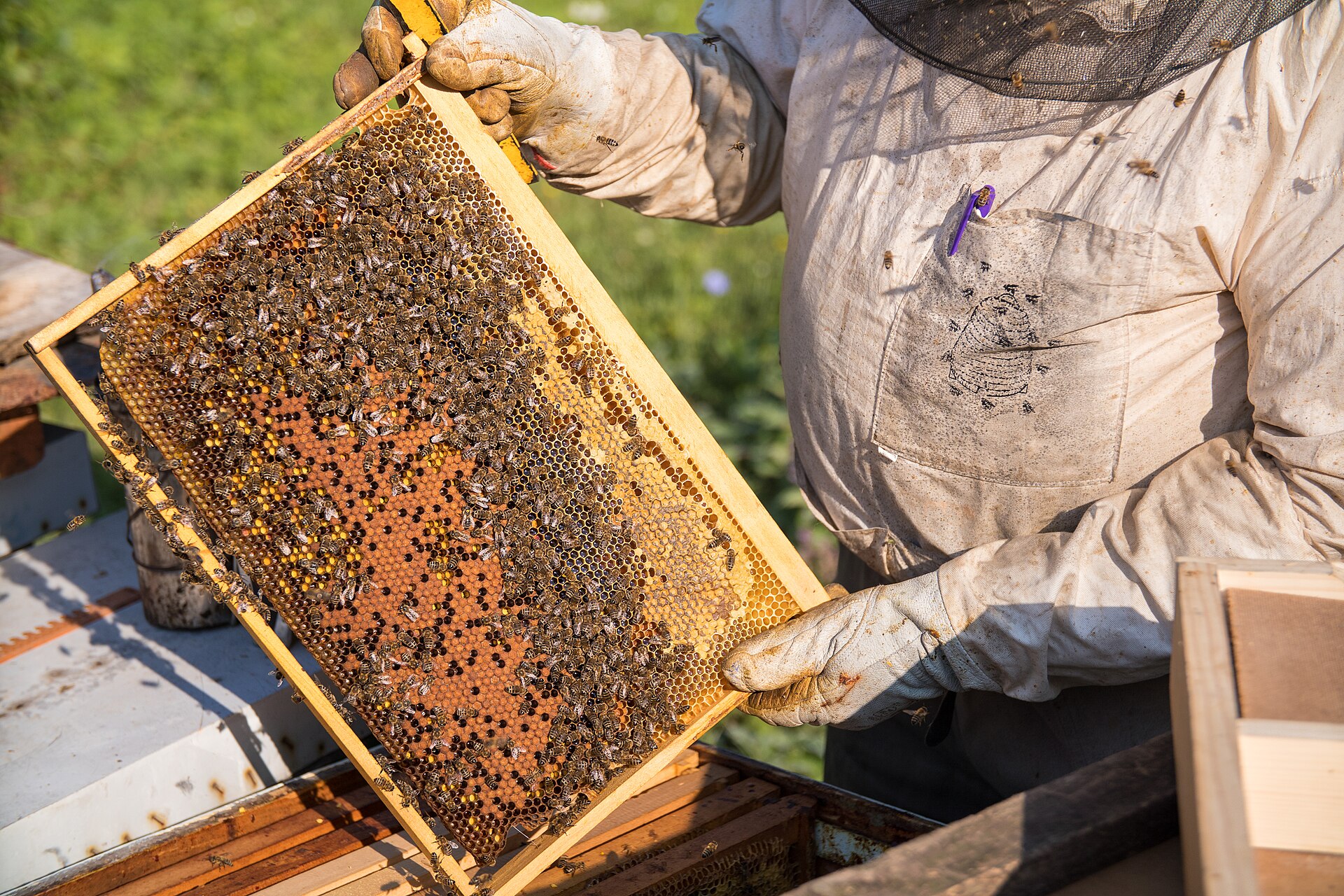
Honey is the stored carbohydrate that honey bees make from nectar, concentrated until its water content falls to around 18 percent so that it keeps without spoiling. Humans hunted wild nests long before they kept bees: a honey-gathering scene painted at Bicorp in eastern Spain is around 8000 years old, and clay vessels in a Georgian tomb hold the oldest honey yet found, about 5,500 years old. True beekeeping with artificial hives appeared in Egypt, where a Fifth Dynasty temple relief and later tomb paintings show stacked horizontal hives and honey taken from them. Honey then moved through the ancient Mediterranean as food, medicine, ritual offering and preservative, was buried with the dead, and gave medieval Europe one of its most valuable trade commodities.
In this article
- 1Overview
- 2Composition and Physical Properties
- 3The Honey Bee and the Colony
- 4Foraging Communication
- 5Honey in Antiquity
- 6Beekeeping in Ancient Egypt
- 7Honey in Egyptian Medicine
- 8Mead and Other Honey Drinks
- 9Medicinal Use and Antibacterial Action
- 10Religious and Cultural Significance
- 11Beeswax and Mummification
- 12Beekeeping Beyond Egypt
- 13Production and Trade
- 14Timeline: from prehistoric honey hunters to modern apiculture
- 15Knowledge graph
Overview
Honey is a viscous, supersaturated sugar solution derived from nectar gathered and modified by the honeybee Apis mellifera. Its sweetness comes from high concentrations of the monosaccharides fructose and glucose, giving it about the same sweetness as table sugar. Samples discovered in archaeological contexts have proven edible even after millennia because microorganisms cannot grow in it.
1. Composition and Physical Properties
Honey is chiefly a concentrated sugar solution, composed of approximately 30 percent glucose, 40 percent fructose, 5 percent sucrose and 20 percent water, alongside amino acids, vitamins and enzymes. Nectar as gathered from flowers generally carries a water content of 70 to 80 percent, whereas finished honey usually holds a water content around 18 percent. Bees reduce the moisture of nectar to about 17 percent so that stored honey does not ferment within the hive, and after ripening in the hive the moisture settles at 15.5-18 percent. The density of honey typically ranges between 1.38 and 1.45 kilograms per litre at 20 degrees Celsius.
2. The Honey Bee and the Colony
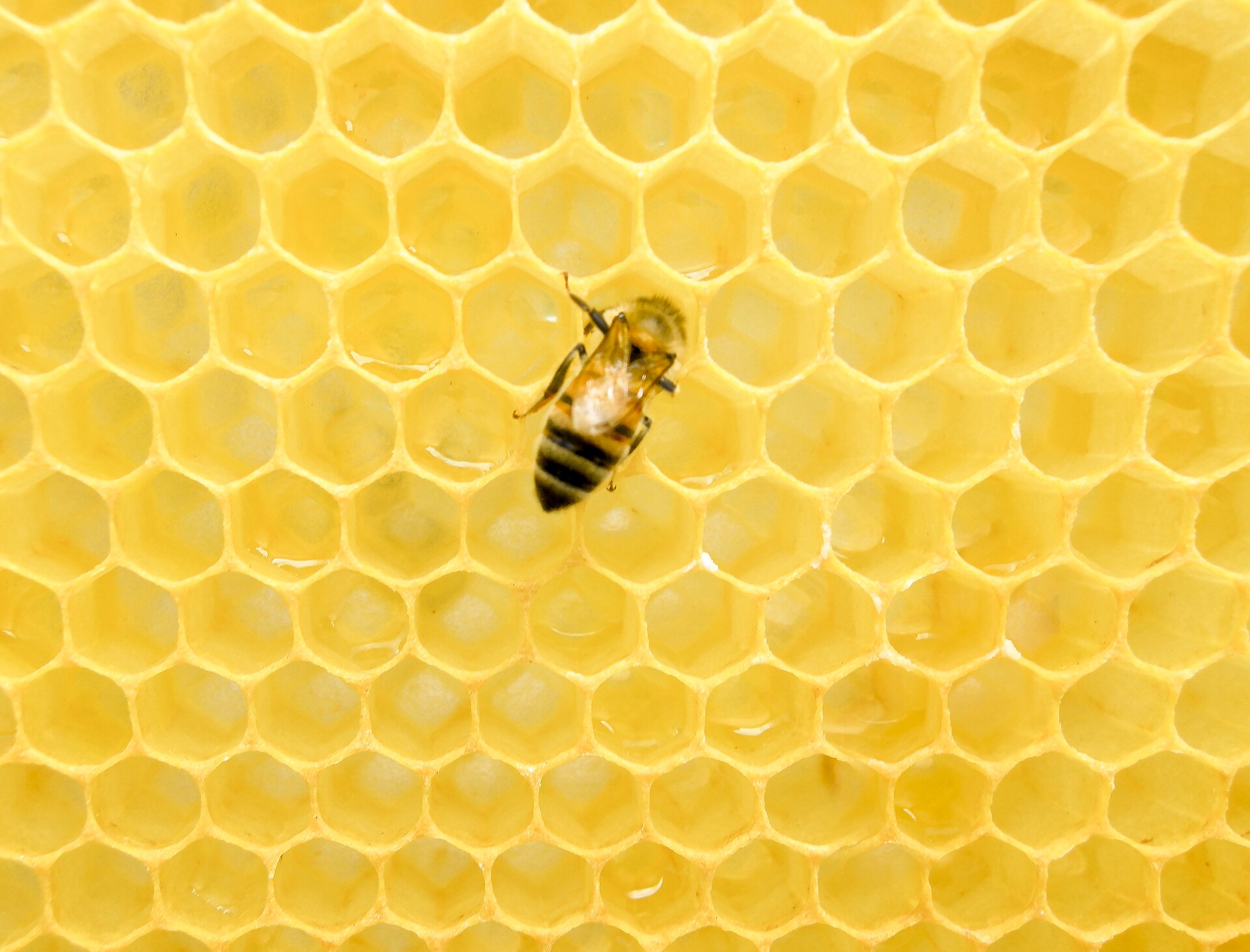
The honey bee is a eusocial flying insect of the genus Apis, placed in the largest bee family, Apidae. Eight living species are recognised, divided into 43 subspecies. The best-known of these is the western honey bee, Apis mellifera, domesticated and farmed for honey production and for the pollination of crops. Honey bees build perennial nests in cavities, constructing hexagonal cells from wax they secrete themselves. A colony generally holds one queen, up to a few thousand drones and tens of thousands of female worker bees, about 50,000 bees in all, with numbers peaking near 60,000 in summer.
3. Foraging Communication
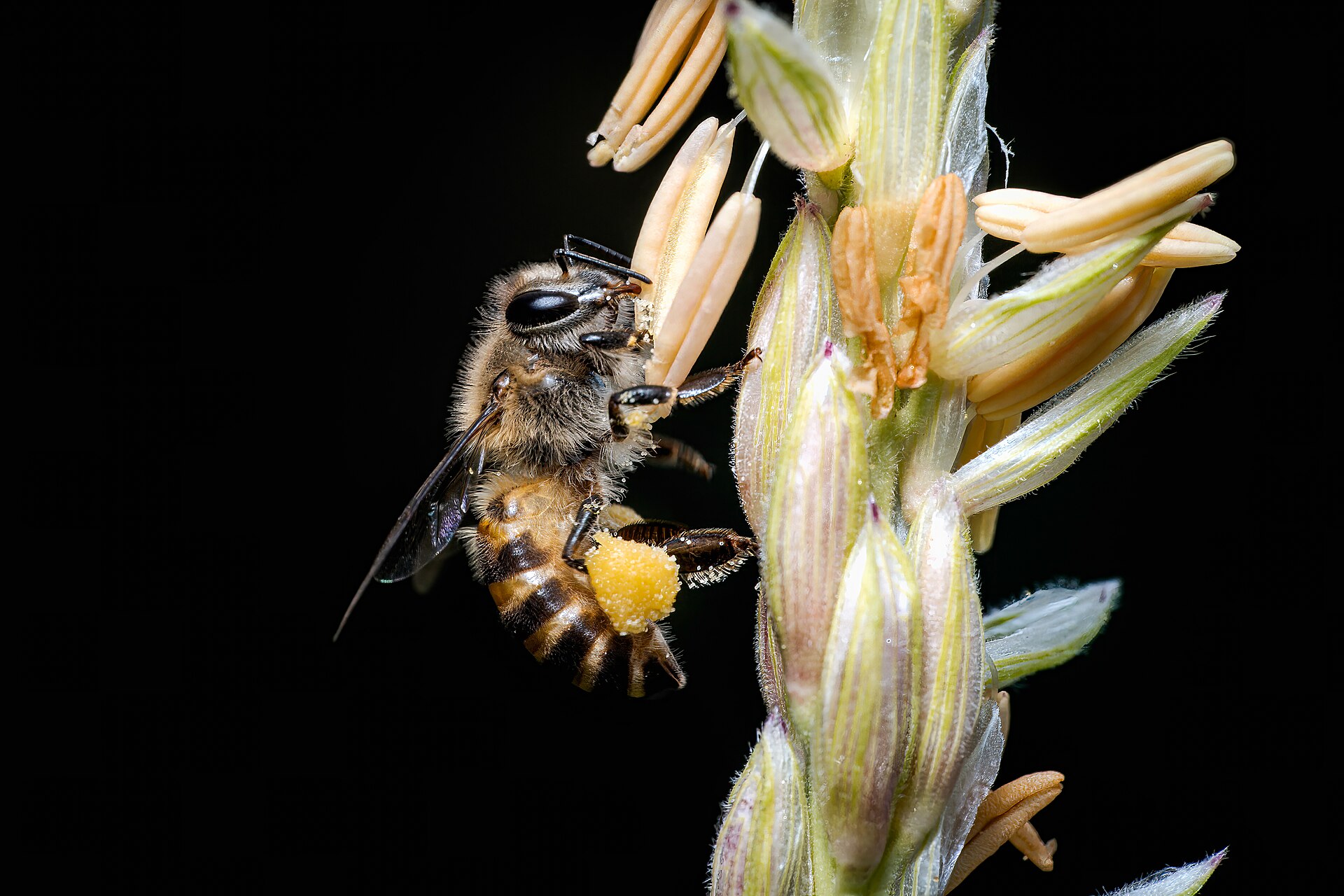
Successful foragers convey the direction and distance of flowers, water sources and new nest sites to their hive mates through dance. In the waggle dance the direction the bee moves in relation to the hive indicates the direction of the food source, while the duration of the waggle part of the dance signifies the distance to the resource. The waggle dance and the round dance are two forms of dance behaviour that are part of a continuous transition; as the distance between the resource and the hive increases, the round dance transforms into a transitional dance and then the waggle dance.
At the end of the 1920s Karl von Frisch showed that bees finding nectar in a flower fly a special pattern and perform a dance that tells other bees where to find it. In 1973 he shared the Nobel Prize in Physiology or Medicine for discoveries about the organisation and elicitation of individual and social behaviour patterns.
4. Honey in Antiquity
Beekeeping had its origins in honey hunting, the opportunistic stealing of honey from wild honey bee nests, and true beekeeping began when humans provided artificial cavities in which bees could build comb for the queen to lay eggs and workers to process honey. In the ancient Near East honey was considered an almost magical substance, used as food and to make alcoholic drinks such as mead. There was honey in the alcoholic beverages found in the tomb of King Midas, and honey is the most common ingredient in the ancient medicine of Mesopotamia and Egypt. After he died in Babylon, Alexander the Great was preserved in honey and placed in an enormous golden sarcophagus.
The Cuevas de la Araña are a group of caves at Bicorp in eastern Spain, in the valley of the river Escalona. There a human figure foraging honey is painted, the earliest known depiction of bees and of honey consumption by Homo sapiens, believed to be epaleolithic and estimated at around 8000 years old. The rock art of the Mediterranean Basin on the Iberian Peninsula is the largest group of rock-art sites in Europe, a World Heritage property including 758 rock-art sites across six autonomous communities of Spain under reference 874. The rock art was discovered in 1920 by a local teacher, Jaume Gari i Poch.
The oldest known honey is honey remains on the inner surface of clay vessels from a tomb in Georgia dating back between 4,700 and 5,500 years, declared by archeologists examining jars unearthed in Georgia to be the world's oldest honey. Honey stains in ceramic vessels found 170 kilometers west of Tbilisi were made by bees that lived 5,500 years ago, some 2,000 years older than the honey from Tutankhamen's tomb. The vessels were found with two human teeth in the tomb of an apparent female noblewoman during pipeline construction.
5. Beekeeping in Ancient Egypt
By 2450 BCE the Egyptians had developed sophisticated apiculture, and within two millennia horizontal-hive beekeeping had spread throughout the Mediterranean. Egyptian hives were horizontal tubes of dried mud stacked on top of each other, a design still used in Azerbaijan and Iran. Even in the Old Kingdom beekeeping was an important activity organized by the Egyptian state. Egyptian temples kept bees to satisfy the desire of the gods for honey and for the production of medicines and ointments.
A bas-relief of the funerary temple of Nyuserre in Abusir, from the Fifth Dynasty around 2500 BCE, shows peasants working around beehives. In one of the oldest tomb paintings, from 2450 BCE, a beekeeper holds something to his face at the opening of the hive, and a beekeeping tomb painting of the same date is known. The Tomb of Rekhmire in Thebes, dating to the 15th century BC, shows beekeepers smoking hives and taking honey. A Saite-period bas-relief in the tomb of the civil officer Pabasa in Thebes shows peasants lifting a beehive.
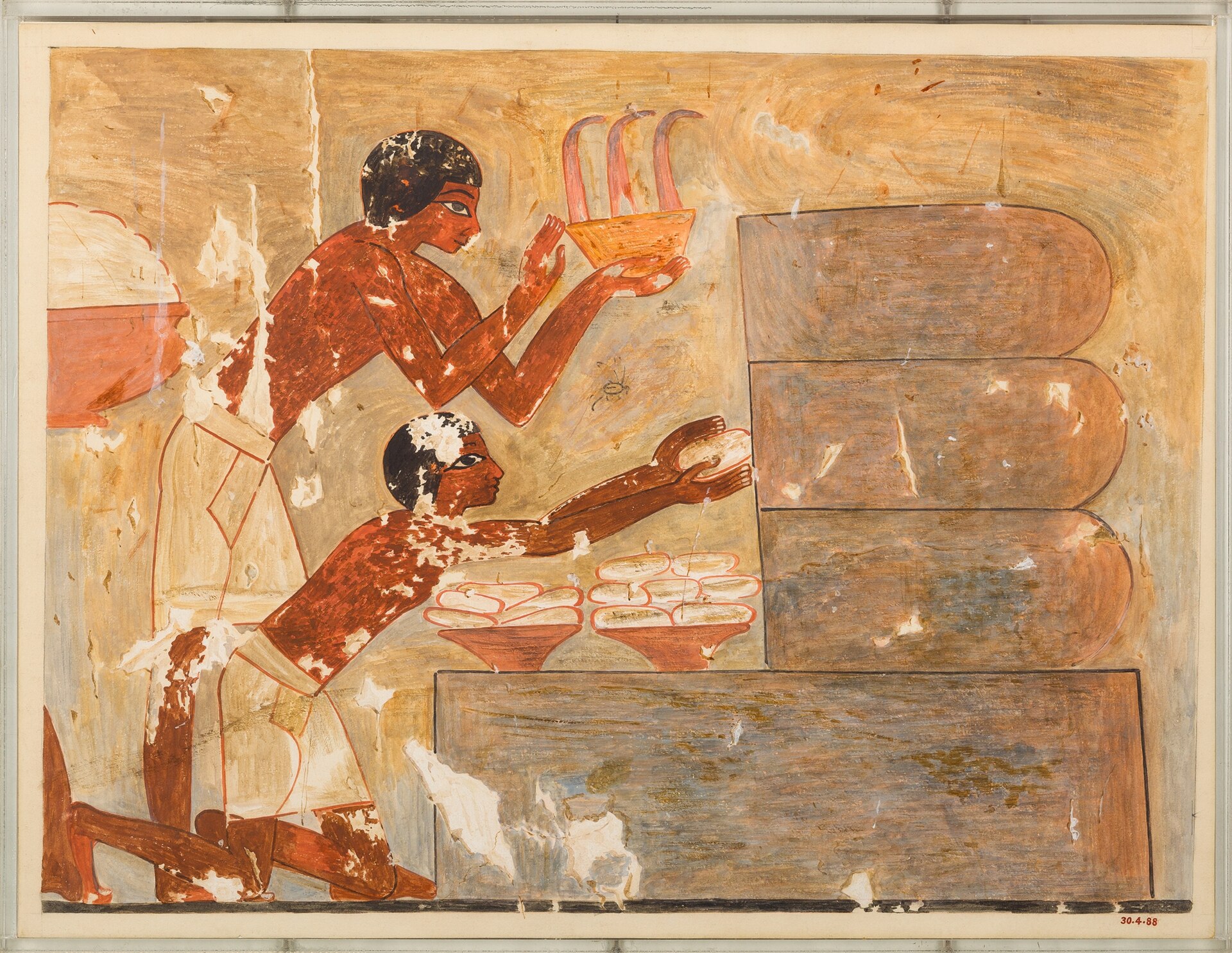
From around 3100 BC the honeybee was used as a hieroglyph in the topographical symbol of Ancient Egypt, and the pharaonic title nesout-bity, “he who belongs to the sedge and the bee”, symbolised Upper and Lower Egypt from as early as the first dynasty; one of the pharaohs’ titles was Bee King. In Egyptian religion the bee was associated with the goddess Neith of Sais, a creation goddess also linked to hunting and war. Papyri from Ptolemaic Egypt record that hives had to be moved twice a year so that bees could forage where flowers were plentiful.
6. Honey in Egyptian Medicine
Honey is a vital constituent in about five hundred Egyptian prescriptions and remedies, used both for its efficacy and as a vehicle, and close to 500 of the roughly 900 prescriptions preserved in the medical papyri include honey as an ingredient. Egyptian healers used it as an anti-cough and antidiarrheal remedy, for wound healing and as an antiseptic, and for toothache. Egyptian wound treatments included closing wounds with sutures and treating infection with honey, and honey, grease and lint were the main components of the most common Egyptian plaster. The Ebers Papyrus was written around 1550 BCE using 328 ingredients to make 876 prescriptions, and according to the medical papyri, among them the Ebers papyrus, honey served as a softener or adjuvant and was also an ingredient in cosmetics.
7. Mead and Other Honey Drinks
Mead, also called honey wine, is an alcoholic beverage made by fermenting honey mixed with water. Pottery vessels from northern China dating from at least 7000 BCE contain chemical signatures consistent with honey, rice and fermentation, the earliest evidence of the drink. Historians believe mead was discovered when a bowl of honey left out in the rain fermented naturally. Mead was produced in ancient times throughout Europe, Africa and Asia and held a significance in the mythology of some peoples.
In Norse mythology the Mead of Poetry, crafted from the blood of Kvasir, would turn anyone who drank it into a poet or scholar.
8. Medicinal Use and Antibacterial Action
Honey kills Staphylococcus and other bacteria and draws moisture out of wounds, which makes it valuable in the care of burns. A 2015 Cochrane review of honey as a topical treatment for wounds found that honey heals partial thickness burns around 4 to 5 days more quickly than conventional dressings, and reported moderate quality evidence that honey is more effective than antiseptic followed by gauze for wounds infected after surgical operations. Honey was used for wound care in India long before the time of Christ, and separate medical cultures arrived at the same successful therapy. Modern wound care products include growth factors, advanced honey-based dressings and hypochlorous acid cleansers.
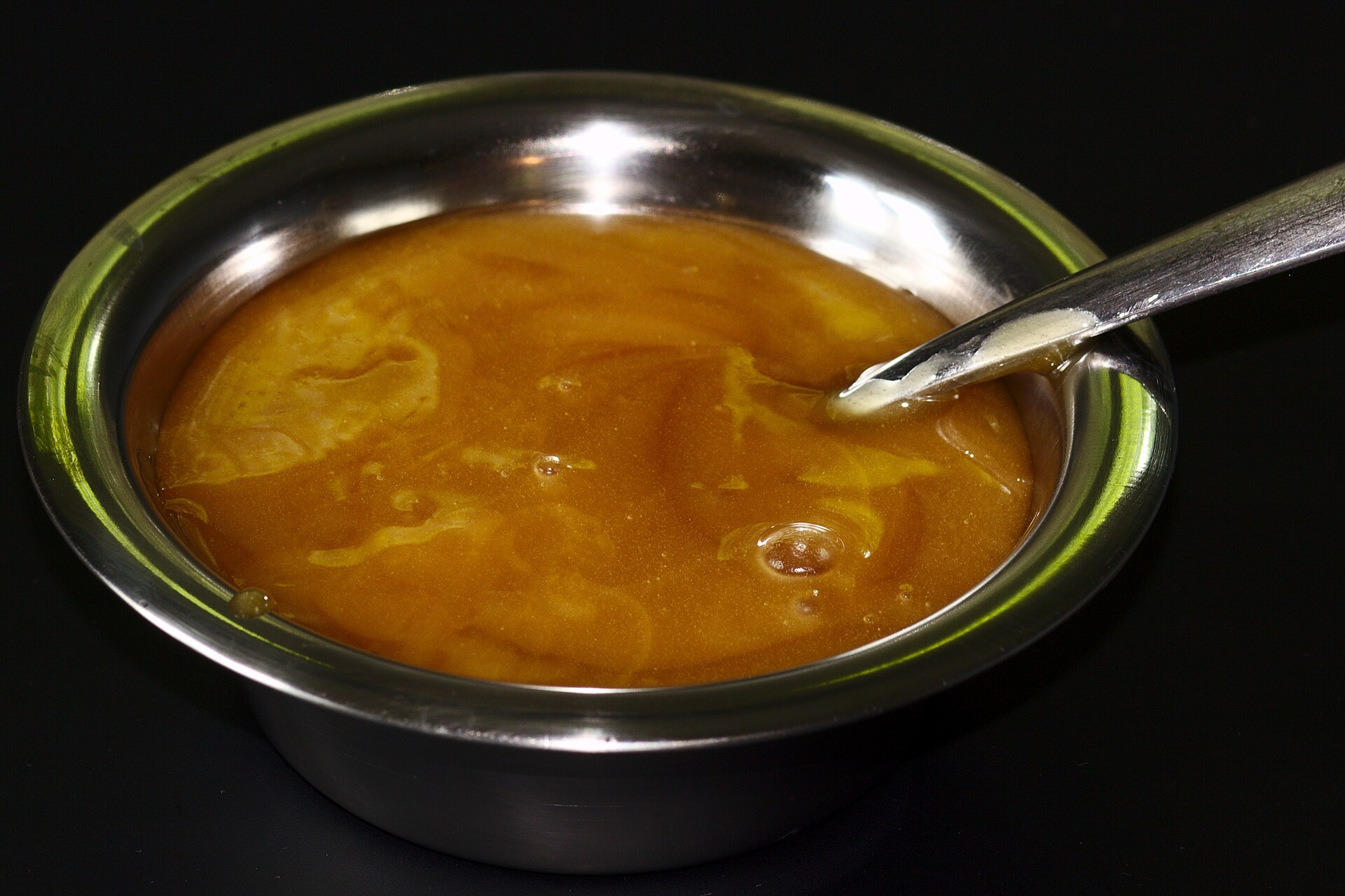
Manuka honey is a monofloral honey from the Leptospermum tree in New Zealand and Australia whose antibacterial activity is independent of hydrogen peroxide. Its potency is related to the Unique Manuka Factor rating, which is correlated with methylglyoxal and total phenols. Several studies have quantified methylglyoxal content in manuka honeys and found that it correlates strongly with antibacterial activity, though correlation of the methylglyoxal content of honey with antibacterial activity showed differing relationships for each test organism. Different types of Manuka honey have differing antibacterial effects, and Gram-negative bacteria are more resistant than Gram-positive bacteria. Reported minimum inhibitory concentrations varied between different honey samples and between bacterial species. Honey alters a bacterium's shape and size through septal ring alteration, which affects cell morphology and growth. Manuka honey of different UMF values has medicinal properties and can be beneficial in combination with other antimicrobial agents, and bacterial resistance to honey as an antimicrobial agent has yet to be identified.
9. Religious and Cultural Significance
The Quran's sixteenth surah, An-Nahl or The Bee, describes how God inspired the bees to make their homes in the mountains, the trees and what people construct. The same surah says that from the bellies of bees comes a liquid of varying colours in which there is healing for people. In the same scriptural tradition, Exodus 3:8 describes God bringing the Israelites up out of Egypt to a good and spacious land flowing with milk and honey. Honey's standing in the ancient Mediterranean world rested on more than symbolism: the ancient Greeks, Romans and Egyptians knew the healing properties of propolis and made extensive use of it as a medicine.
10. Beeswax and Mummification
Beeswax served the Egyptian embalmer as a sealing material, often used in mummification to cover the ears, eyes, nose, mouth and the embalming incision. The material also carried a ritual role: beeswax figures of the four sons of Horus accompanied the canopic packages of Dynasty 21 mummies. Honey itself, by contrast, was not always what a vessel promised. Two jars in Tutankhamun's tomb were labeled as containing honey, but none was found in the jars.
11. Beekeeping Beyond Egypt
Beekeeping did not develop along a single line. In Asia other honey bee species drove its development and spread from around 300 BCE. In Mesoamerica it evolved independently, built around the stingless bee Melipona beecheii.
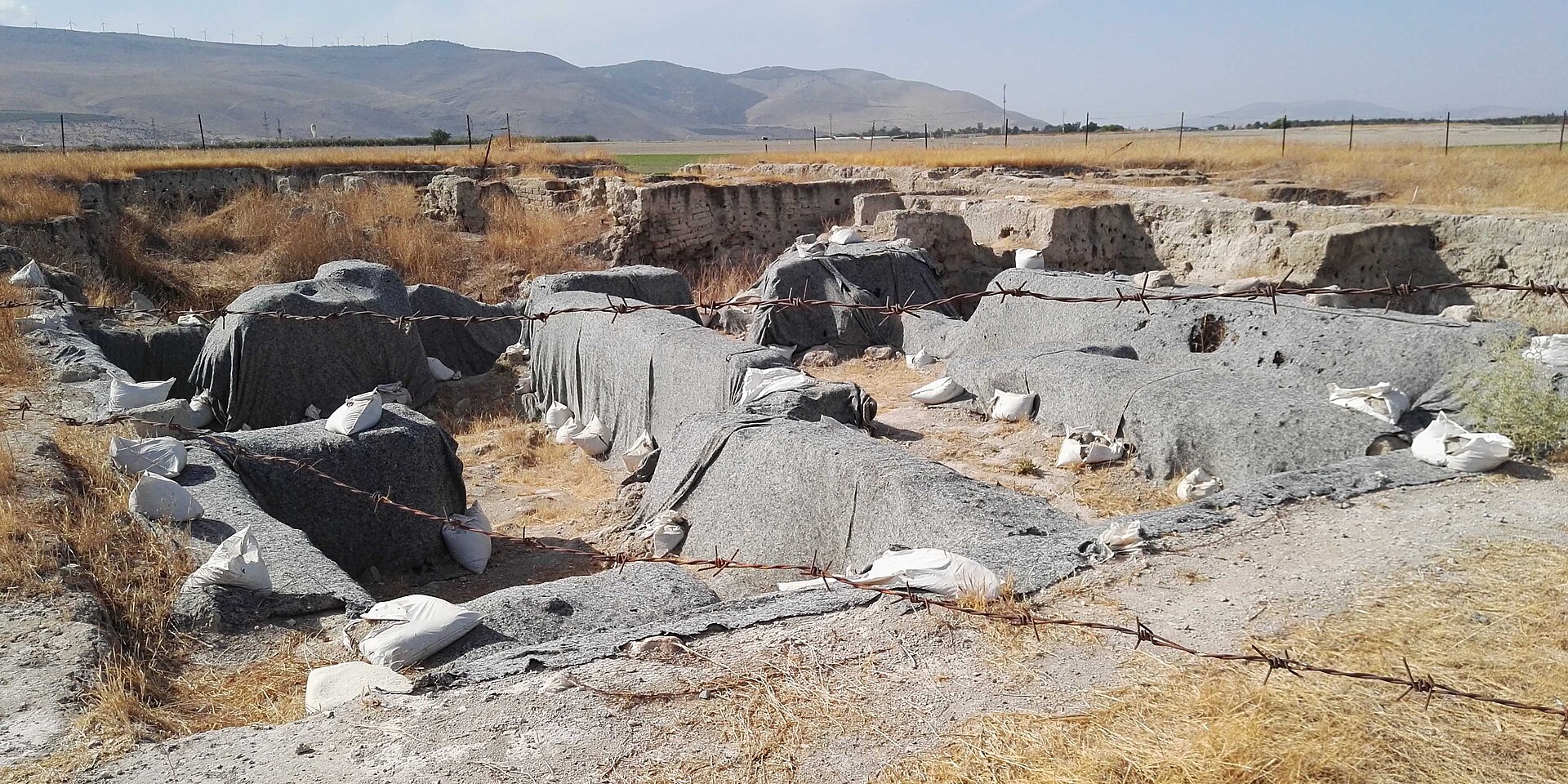
The archaeological record shows how far back such organized practice reaches. An Iron Age apiary excavated at Tel Rehov in the Jordan River Valley held about 100 ceramic hives. Ancient Israel imported Anatolian honeybees from Turkey, roughly 1,000 kilometers away, because they were gentler and made more honey.
12. Production and Trade
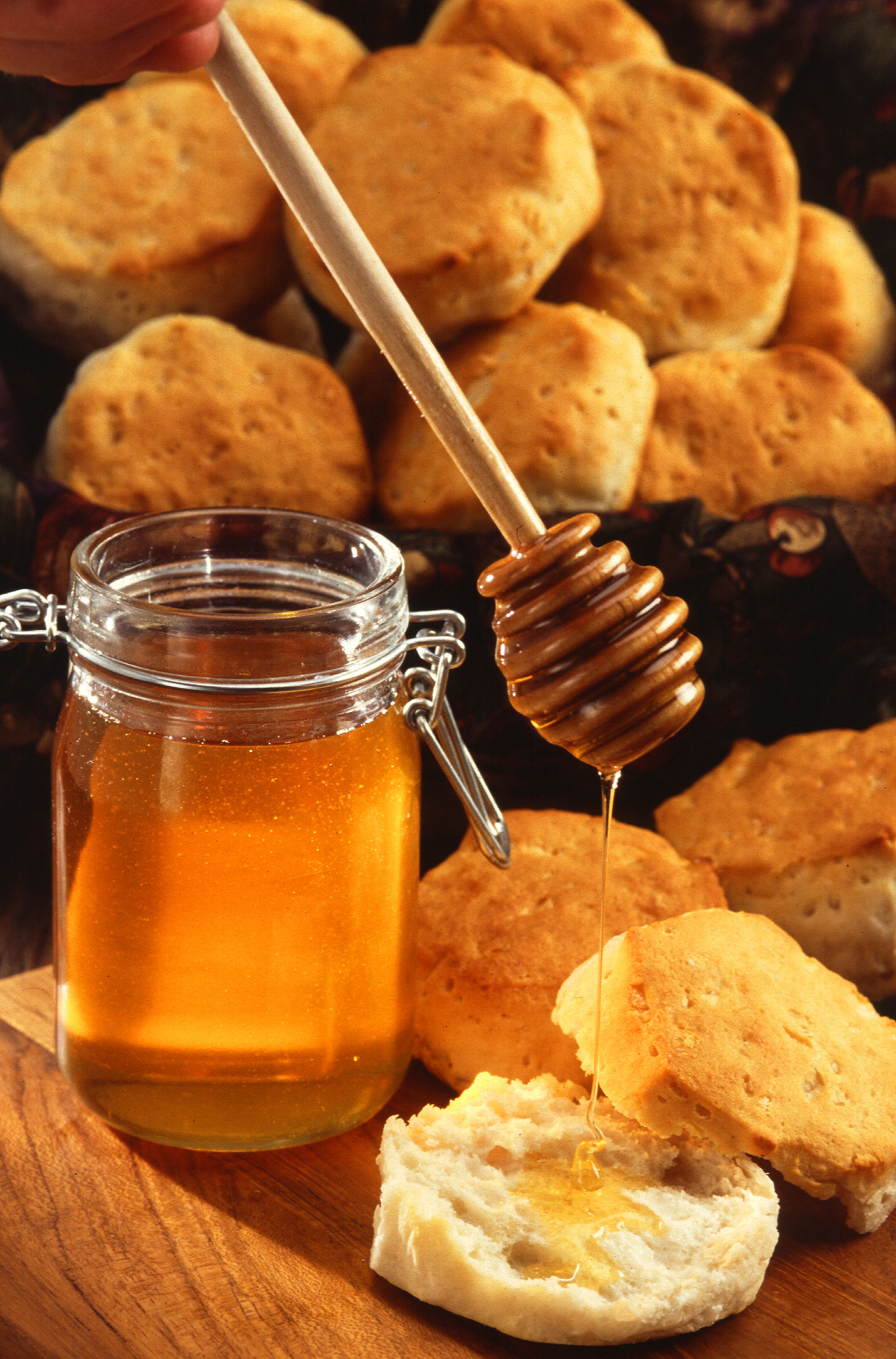
In 2023 world production of honey was 1.9 million tonnes, led by China with 24 percent of the total. Trade in the product is far older: during the European Middle Ages honey and wax became important commodities for trade, and beekeeping in skep, log, box and tree hives flourished.
13. Timeline: from prehistoric honey hunters to modern apiculture
- c. 8000 BCEHoney hunting painted at BicorpThe honey-gathering painting in the Cuevas de la Arana in eastern Spain, showing a figure taking honey from a hive, is estimated to be around 8000 years old.
- at least 7000 BCEEarly fermented honey drink in ChinaPottery vessels from northern China contain chemical signatures consistent with honey, rice and fermentation, the earliest evidence linked to mead.
- about 5,500 years agoHoney buried at Sakire in GeorgiaArchaeologists found honey residues in clay vessels in a tomb near Sakire, in the Borjomi region, making it the oldest known honey find.
- from c. 3100 BCThe bee becomes an Egyptian hieroglyphThe honeybee was used as a hieroglyph in the topographical symbol of Ancient Egypt, and one pharaonic title was Bee King.
- about 2500 BCEBeekeeping relief at the Nyuserre templeA bas-relief from the funerary temple of Nyuserre in Abusir shows peasants working around beehives, the earliest Egyptian beekeeping scene.
- 2450 BCEState apiculture in EgyptEgyptian apiculture was already sophisticated by this date, and a tomb painting of a beekeeper at the hive opening is among the oldest records of beekeeping.
- around 1550 BCEThe Ebers Papyrus is writtenThe Ebers Papyrus compiled 328 ingredients into 876 prescriptions, with honey a vital constituent in about five hundred of the remedies.
- 15th century BCBeekeeping scenes in the Tomb of RekhmireWall paintings in the tomb of the vizier Rekhmire at Thebes show beekeepers smoking hives and drawing out honey.
- 26th Dynasty, around 700 BCEBeehive relief in the tomb of PabasaA bas-relief in the Theban tomb of the civil officer Pabasa shows peasants lifting a beehive, a late New Kingdom echo of older apiary scenes.
- 323 BCAlexander the Great preserved in honeyAfter Alexander died in Babylon he was preserved in honey and placed in an enormous golden sarcophagus drawn by 64 mules.
- around 300 BCEBeekeeping spreads across AsiaOther species of honey bees drove the development and spread of beekeeping in Asia from around this date.
- 3rd century BCEPtolemaic hive managementPapyri from Ptolemaic Egypt record that hives had to be moved twice a year so that bees could forage where flowers were plentiful.
- 1920The Bicorp honey-hunter painting is discoveredA local teacher, Jaume Gari i Poch, discovered the rock art of the Cuevas de la Arana, later part of the Iberian Mediterranean rock art World Heritage Site.
- 1973Nobel Prize for the dance language of beesKarl von Frisch, who showed in the late 1920s that bees dance to tell others where nectar is, shared the Nobel Prize in Physiology or Medicine.
- 2015Cochrane review of honey for woundsA Cochrane review found moderate quality evidence that honey heals partial thickness burns and infected post-operative wounds more quickly than some conventional treatments.
References (20)
- 1Honey as a topical treatment for wounds (Jull et al., Cochrane Database of Systematic Reviews 2015) — PubMed Central / Cochrane Collaboration 2015 WebView source
- 2Honey — Wikipedia WebView source
- 3Waggle dance — Wikipedia WebView source
- 4Karl von Frisch - Facts (Nobel Prize in Physiology or Medicine 1973) — Nobel Prize Outreach / The Nobel Foundation 1973 WebView source
- 5Cuevas de la Arana (Cova de l'Aranya) — Wikipedia WebView source
- 6Beekeeping from Antiquity Through the Middle Ages (Kritsky, Annual Review of Entomology) — PubMed / U.S. National Library of Medicine WebView source
- 7Bees in Egypt of the Pharaohs (Catherine Chadefaud) — International Association of Agricultural Museums 2021 WebView source
- 8Sweet Honey in the Rocks (Gil Stein interview by Lydialyle Gibson) — The University of Chicago Magazine WebView source
- 9Historical Aspects of Propolis Research in Modern Times (Kuropatnicki et al., Evidence-Based Complementary and Alternative Medicine 2013) — PubMed Central / Evidence-Based Complementary and Alternative Medicine 2013 WebView source
- 10Traditional ancient Egyptian medicine: A review (Metwaly et al., Saudi Journal of Biological Sciences 2021) — PubMed Central / Saudi Journal of Biological Sciences 2021 WebView source
- 11What we can learn from the ancient Egyptian practice of beekeeping (Gene Kritsky interview) — The World / PRX 2015 WebView source
- 12The History of Wound Care (Shah, Journal of the American College of Certified Wound Specialists 2012) — PubMed Central / Journal of the American College of Certified Wound Specialists 2012 WebView source
- 13Mead — Wikipedia WebView source
- 14Correlation of the antibacterial activity of commercial manuka and Leptospermum honeys with methylglyoxal content (Green et al., PLOS ONE 2022) — PubMed Central / PLOS ONE 2022 WebView source
- 15An-Nahl 16:68-69 (The Clear Quran translation) — Quran.com WebView source
- 16Exodus 3:8 (New Revised Standard Version Updated Edition) — BibleGateway WebView source
- 17Materials - Mummification (Spurlock Museum online exhibit) — Spurlock Museum of World Cultures, University of Illinois Urbana-Champaign WebView source
- 18Report: Georgia Unearths the World's Oldest Honey (Giorgi Lomsadze) — Eurasianet WebView source
- 19Honey bee — Wikipedia WebView source
- 20Rock Art of the Mediterranean Basin on the Iberian Peninsula (World Heritage List 874) — UNESCO World Heritage Centre WebView source