Woolly Mammoth
The Ice Age elephant of the mammoth steppe — its evolution from the steppe mammoth, its shaggy coat and spiralling tusks, the frozen calves Lyuba and Khroma and the mummy Yuka, the genomics of its decline, and the last population on Wrangel Island.
The woolly mammoth (Mammuthus primigenius) was a cold-adapted elephant that evolved in northeast Siberia between about 800,000 and 600,000 years ago from the steppe mammoth and then spread across the mammoth steppe from western Europe through Beringia into North America. It is among the best-studied prehistoric animals: permafrost mummies such as Lyuba, Khroma and Yuka preserve skin, hair and organs, while ancient DNA has traced its population history, the deep origin of its cold adaptations, and its extinction, which left relict populations on St. Paul Island until about 5,600 years ago and on Wrangel Island until about 4,000 years ago.
Overview
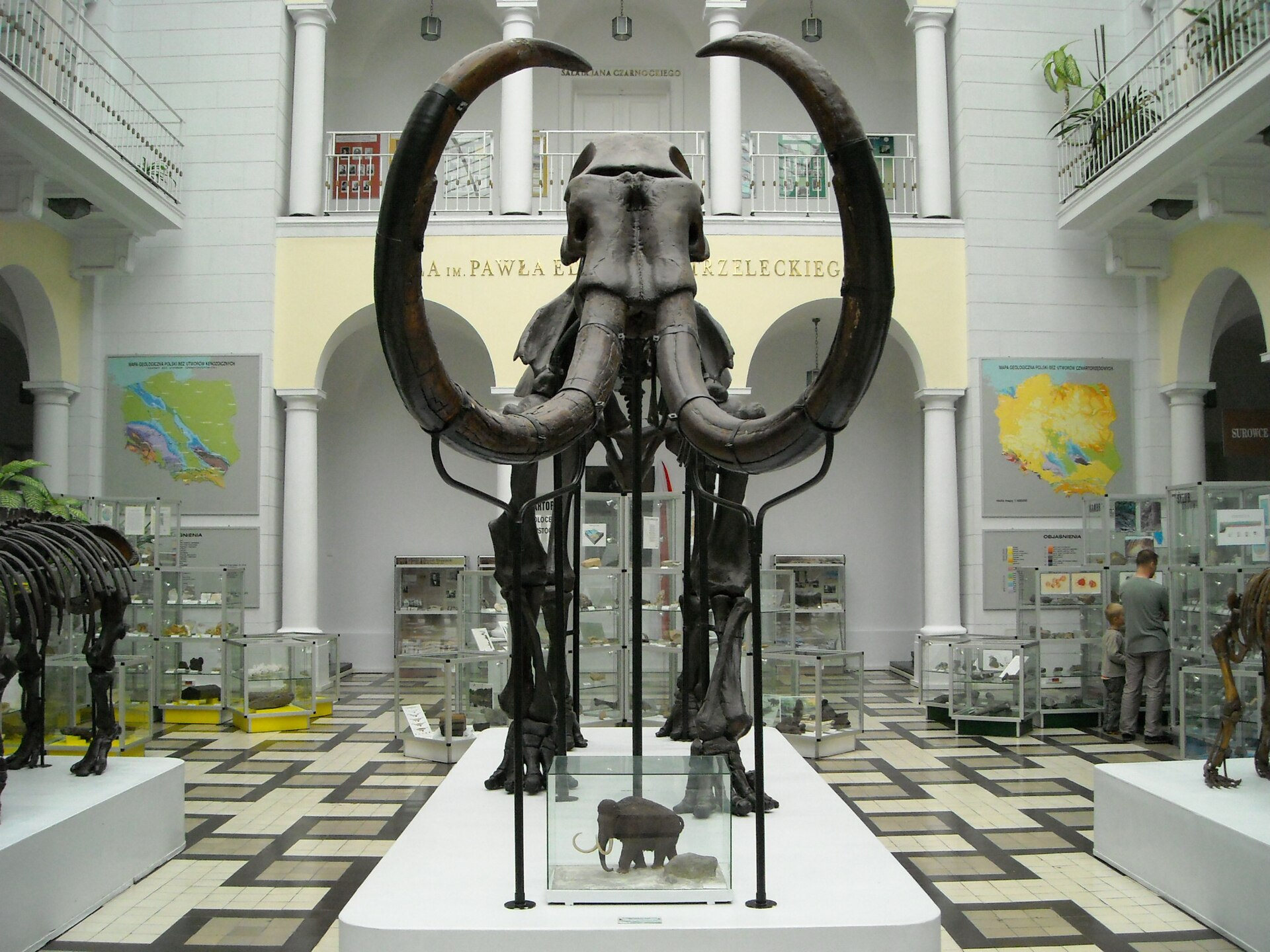
The woolly mammoth, Mammuthus primigenius (Blumenbach, 1799), was an extinct species of elephant found in fossil deposits of the Pleistocene and Holocene epochs in Europe, northern Asia and North America. Its closest living relative is the Asian elephant, Elephas maximus.
1. Evolution and Origins
Mammoths belong to the same elephant family as modern elephants, Elephantidae, which arose in Africa about seven million years ago and split into three branches: the African elephants, the Asian elephant and the mammoths. The oldest mammoth found so far, Mammuthus subplanifrons, lived about five million years ago and is known from fossils of its teeth in South Africa. About 3.5 million years ago mammoths broke out of Africa, moved through the Middle East and spread rapidly across Eurasia, and Mammuthus rumanus is the first mammoth found outside Africa.
The southern mammoth Mammuthus meridionalis appeared about two million years ago, survived for about a million years and left abundant fossils all the way from Britain to China. Steppe mammoths evolved from a group of southern mammoths as Asian grasslands spread, and their teeth show a shift from browsing shrubs and trees to grazing on grass.
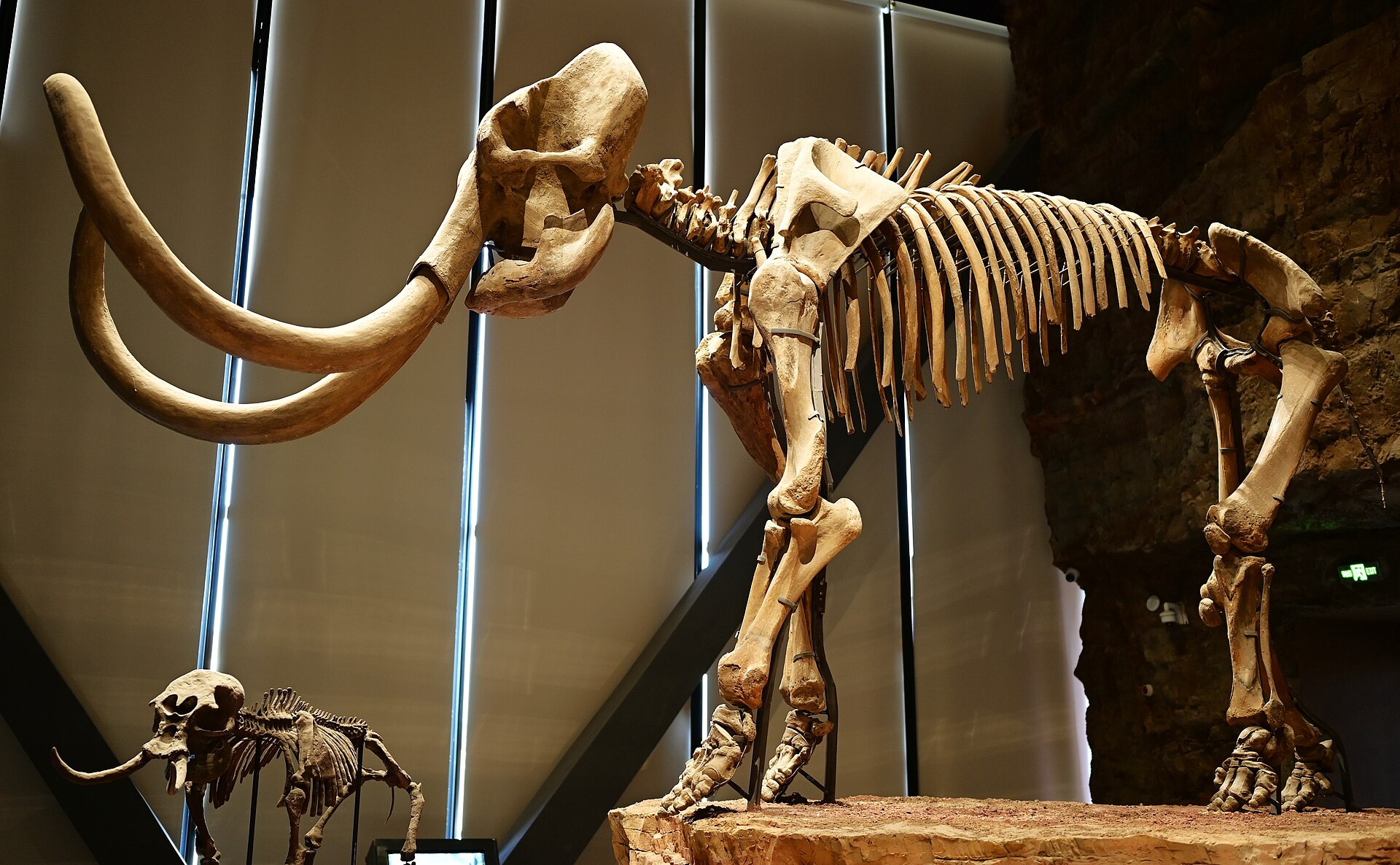
The first major step in the origin of the woolly mammoth occurred in China as much as 2 million years ago, while the final changes took place in north-east Siberia about a million years later. The earliest woolly mammoth, Mammuthus primigenius, was identified in the Late Olyorian deposits of northeast Siberia, about 0.8 to 0.6 million years ago, and was proposed as the origin of European and North American woolly mammoths.
Mammoth molars show an evolutionary increase in crown height and in the number of enamel grinding ridges as the animals adapted to a tougher diet. Two distinct mammoth lineages were present in eastern Siberia during the Early Pleistocene; one gave rise to the woolly mammoth and the other represents a previously unrecognized lineage that was ancestral to the first mammoths to colonize North America. The Columbian mammoth of North America traces its ancestry to a Middle Pleistocene hybridization between these two lineages, with roughly equal admixture proportions. The majority of protein-coding changes associated with cold adaptation in woolly mammoths were already present one million years ago, according to the deep-time palaeogenomic analysis.
The woolly mammoth evolved from the steppe mammoth.
The woolly mammoth stood about 3 to 3.7 metres (about 10 to 12 feet) at the shoulder and weighed between 5,500 and 7,300 kg (about 6 to 8 tons).
2. Description and Anatomy
Its ears were very small, and its tail was shorter than those of its living elephant cousins.
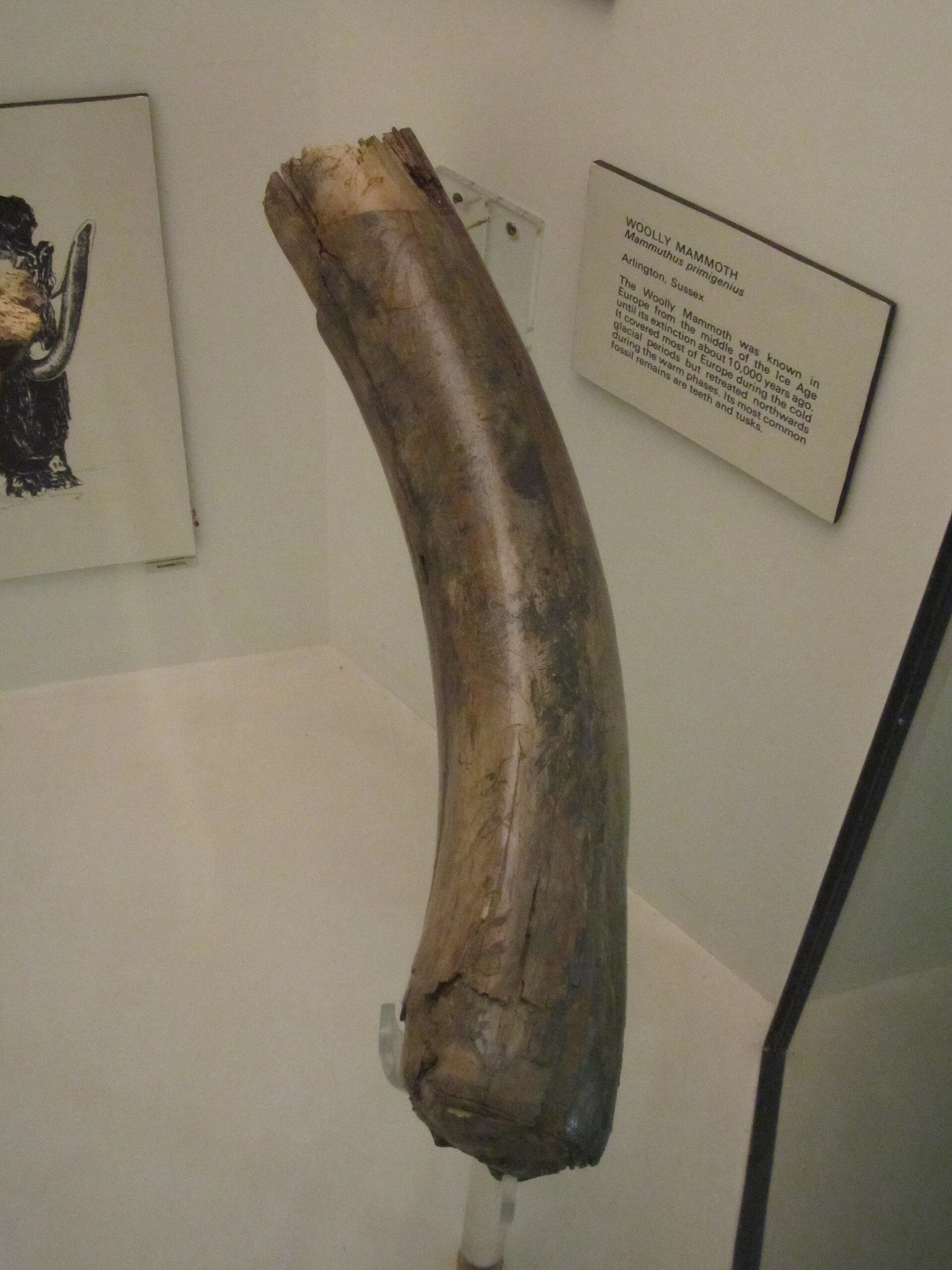
The tusks were sloping. They curve in a spiral shape in two dimensions, whereas the tusks of living elephants curve only gently in one dimension.
The classic image of the animal includes a thick layer of shaggy, chocolate-brown hair.
3. Distribution and Habitat
The woolly mammoth ranged from Europe across Siberia into North America, inhabiting both Eurasia and North America from the late Middle Pleistocene, about 300,000 years ago, and surviving through successive climatic cycles until its disappearance in the Holocene. The Bering Land Bridge was episodically open throughout the Pleistocene until about 13,000 years ago, when falling sea levels created a corridor that allowed Asian species, mammoths among them, to move into North America. Although the species' distribution spanned this vast transcontinental expanse, genetic evidence suggests minimal gene flow back west across the land bridge after woolly mammoths colonized North America.
The woolly mammoth's habitat was steppe tundra, also known as mammoth steppe, an ecosystem of low shrubs, sedges and grasses that was widespread across Eurasia and North America during the Pleistocene. Rather than desolate snowy wastes, mammoths lived in richly vegetated landscapes and mostly away from deep snow cover. There is also some evidence that certain woolly mammoth populations inhabited forests of the present-day Midwestern United States.
Climate modelling indicates that the area most suitable for woolly mammoths expanded by 7.7 million square kilometres between the last interglacial, 126,000 years ago, and 42,000 years ago, rising from 0.3 to 8.1 million square kilometres. By 6,000 years ago, only 0.8 million square kilometres of the most suitable climatic conditions remained. In all, 90% of the species' geographical range disappeared between 42,000 and 6,000 years before present, leaving the remaining suitable areas mainly restricted to Arctic Siberia.
4. Behaviour and Ecology
The woolly mammoth fed on the stems and leaves of tundra plants and shrubs, grazing the steppe tundra, or mammoth steppe, that formed its habitat.
Isotopic analyses along an entire 1.7-metre-long tusk reconstructed the movements of an Arctic woolly mammoth that lived 17,100 years ago, revealing an extensive range during the animal's roughly 28-year life span. In the last year and a half of his life, a tracked bull mammoth lived in a much smaller area north of the Brooks Range, where he died of starvation likely in the late winter or spring. Isotopic analysis of a female mammoth tusk found in a 14,000-year-old archaeological site showed that she had moved about 1,000 kilometres from northwestern Canada to interior Alaska before her death.
Stable isotope profiles and dentin increments suggested a woolly mammoth gestation period of about 20 months, comparable to that of extant elephants.
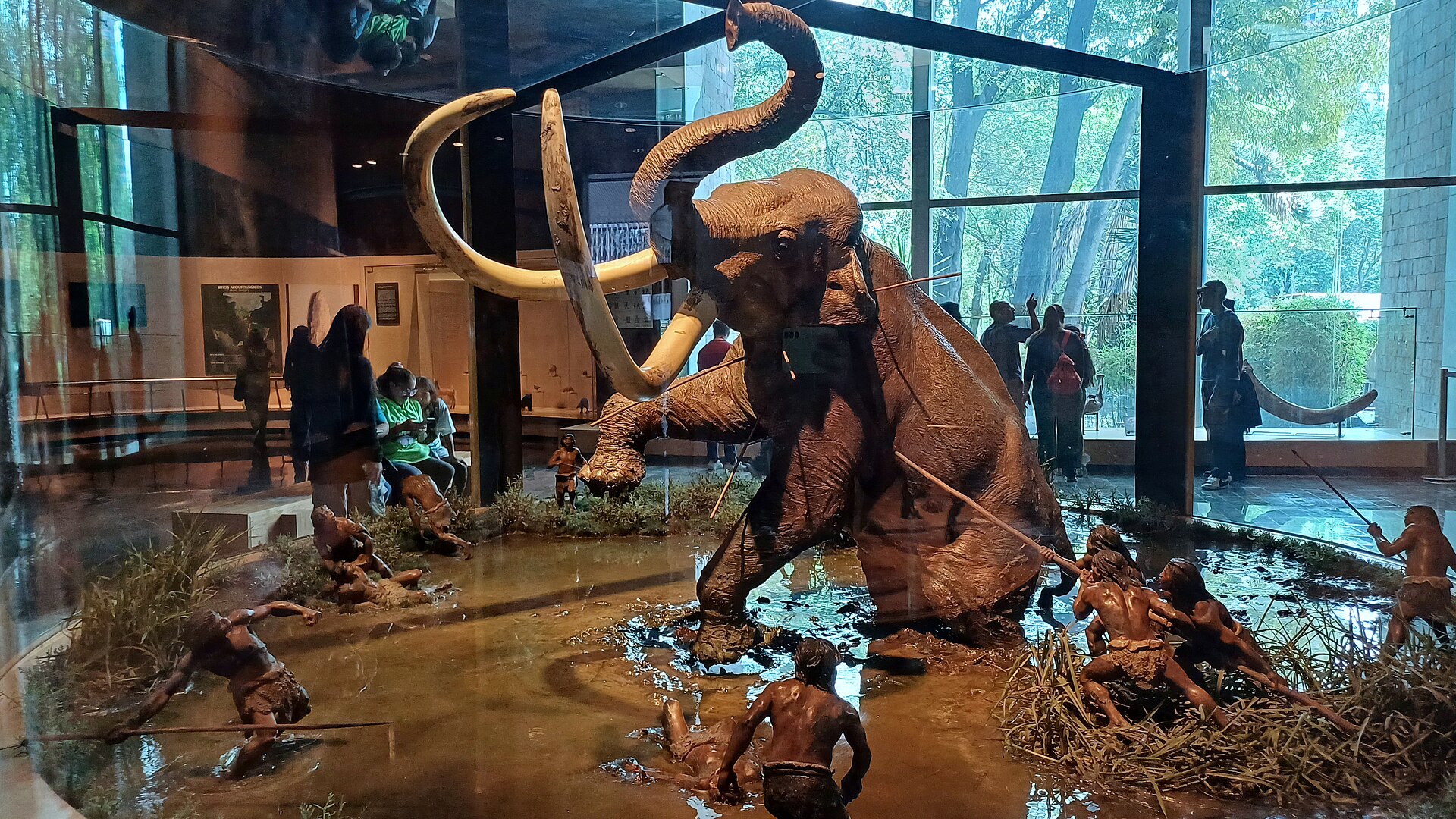
Woolly mammoths in mainland Alaska overlapped with the region's first people for at least a millennium.
5. Extinction
Woolly mammoths were largely extinct by about 10,000 years ago, due to the pressures of a warming climate, which reduced the habitat of these cold-adapted mammals, combined with hunting by humans. Scientists have debated whether woolly mammoths died out because their habitat disappeared as the planet's climate warmed and vegetation and precipitation patterns changed, or whether human interlopers on the Eurasian plains hunted them to extinction.
Small populations of woolly mammoths may have survived in mainland North America until between 10,500 and 7,600 years ago, while others persisted until 5,600 years ago on St. Paul Island and as late as 4,300 years ago on Wrangel Island, succumbing to inbreeding and loss of genetic diversity. Woolly mammoths became isolated on Wrangel Island around 10,000 years ago and persisted for over 200 generations before becoming extinct around 4,000 years ago. The Wrangel Island population went through a bottleneck event when mammoths became isolated there in the early Holocene due to rising global sea levels.
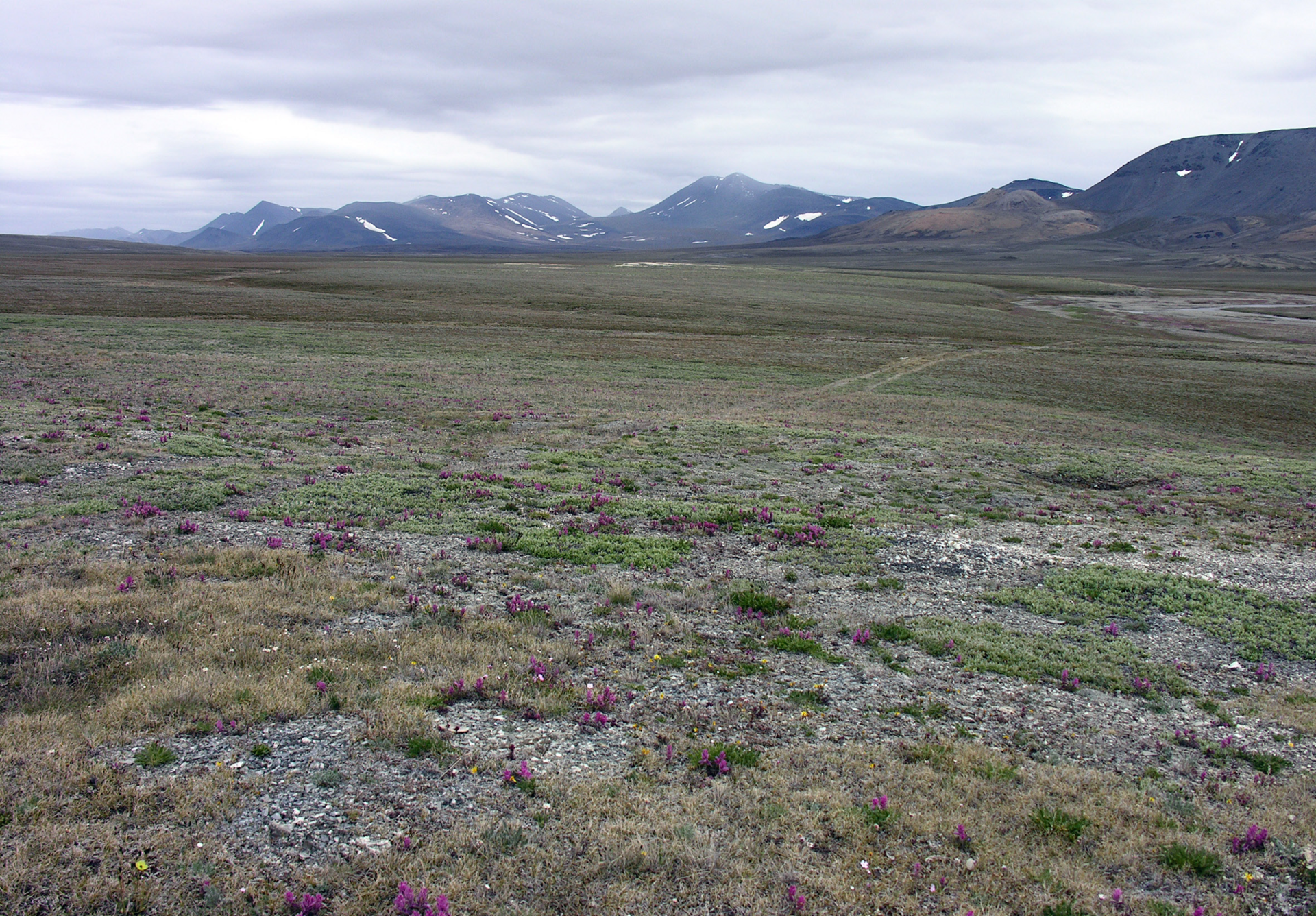
A study analysed 21 Siberian woolly mammoth genomes and found that the Wrangel Island population recovered quickly from a severe bottleneck and remained demographically stable for six millennia. Runs of homozygosity in the Wrangel Island population increased about four-fold compared with Late Pleistocene woolly mammoths, from 10.0% to 41.6%. Mildly deleterious mutations gradually accumulated in the island population while highly deleterious mutations were purged, suggesting ongoing inbreeding depression that lasted for hundreds of generations, and the analysis found that purging of high-impact mutations continued for hundreds of generations after the bottleneck on Wrangel Island. The recovered Wrangel Island population was large enough, or possibly changed its behaviour, to avoid inbreeding with close relatives such as first- or second-degree relatives throughout 6,000 years of island isolation.
Modelling suggested that, under the most optimistic parameters, one woolly mammoth killed every three years by each human being inhabiting its distribution range would have been sufficient to drive the species to extinction. The synergy between the collapse of suitable climatic conditions for woolly mammoths and the northward increase in human population densities during the Holocene likely set the place and time of the species' extinction. The authors of one study found that humans appear to have been a minor factor in driving animal distributions, while higher effective precipitation and an increase in wetland plants show negative effects on animal diversity.
The woolly mammoth is considered to have been one of the most abundant megafaunal species during the Middle to Late Pleistocene, yet it became extinct throughout most of its range at the Pleistocene/Holocene transition about 11,000 years ago.
6. Genetics and Ancient DNA
The woolly mammoth carried 28 pairs of chromosomes, the same number found in modern elephants, and in the mammoth these chromosomes held genes governing hair follicle development in active positions, a configuration that may account for the animal's woolly coat where modern elephants are bare. Researchers reconstructed the chromosomes of a mammoth dated to 52,000 years ago in three dimensions, a technique that revealed which genes the animal had used during its lifetime. The preservation that made this possible arose when the mammoth was rapidly freeze-dried by Arctic air, freezing its genome in time and driving its chromosomes into a glass-like state that halted the splintering of the DNA.
Complete genome sequences have been produced from two woolly mammoths: one radiocarbon dated to about 4,300 years before present from Wrangel Island, and one roughly 44,800 years old from the Late Pleistocene population of northeastern Siberia. The Wrangel Island genome showed a 20% reduction in heterozygosity and a 28-fold increase in the fraction of the genome made up of runs of homozygosity. Analysis of the two genomes inferred a dramatic reduction in mammoth population size during the Middle or Early Pleistocene, with a point estimate of 285,000 years ago.
Analysis of mitochondrial DNA from 41 woolly mammoths across Europe, Asia and North America identified genetic signatures of a range expansion from eastern to western Beringia after the last interglacial, about 125,000 years ago. A lower bound for the timing of the western expansion of the main mammoth mitochondrial lineage is estimated at 63,400 years ago.
Genome-wide data have been recovered from three mammoth specimens dating to the Early and Middle Pleistocene, two of which are more than one million years old.
7. Notable Specimens
The permafrost mummies Lyuba, Khroma and Yuka are notable woolly mammoth specimens. Lyuba was found on the bank of the Yuribei River on the Yamal Peninsula in May 2007 and was later accessioned by the Shemanovskiy Museum and Exhibition Center in Salekhard, while Khroma was found in northernmost Yakutia. Both calves died at ages of approximately one and two months.
CT scans of the two newborn mammoths recovered from the Siberian Arctic showed that both creatures died from suffocation after inhaling mud, and Lyuba's full-body CT scan, performed with an industrial scanner at a Ford testing facility in Michigan, was the first of its kind for any mammoth. Counts of daily dentin increments in Lyuba's teeth showed that she died only 30 to 35 days after birth, and stable isotope profiles identified her season of birth as spring, before the onset of new plant growth; the same method gave an estimated age at death of 52 to 57 days for Khroma. The segmented braincase of Khroma shows a brain volume slightly less than that of neonate elephants, about 2,300 cubic centimeters against about 2,500 cubic centimeters. Khroma's body was frozen soon after death, leaving her tissues in excellent condition, whereas Lyuba's body formed nodules of the mineral vivianite associated with her cranium and within the long bones, and an AMS assay placed Lyuba at about 41,800 radiocarbon years before present.
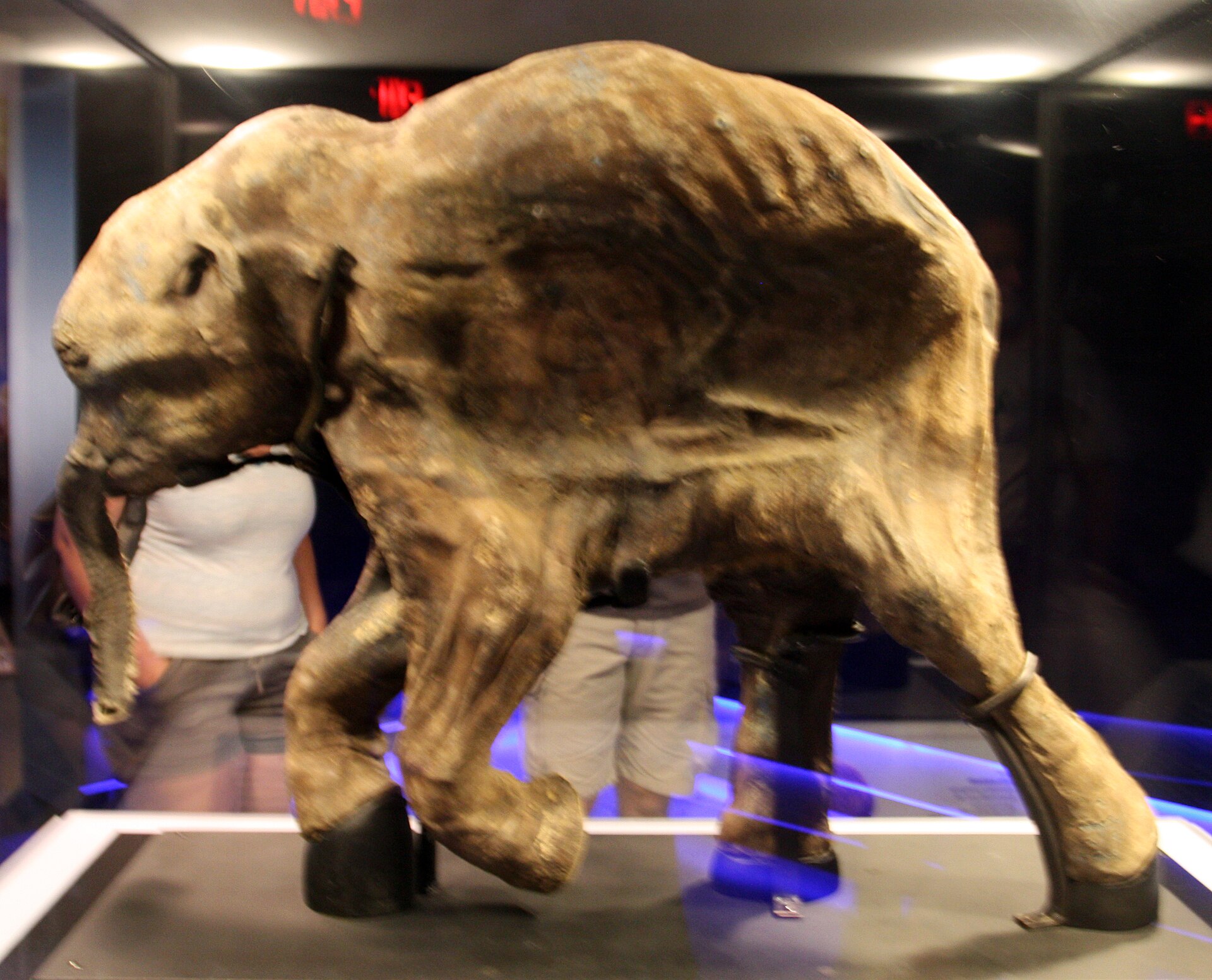
The Yuka mammoth was found in August 2010, when a mummified woolly mammoth carcass was discovered on the Oyogos Yar coast near the Kondratievo River in the Laptev Sea region of Sakha Republic, Russia. Yuka was a juvenile female about 6 to 9 years old, nicknamed after the village of Yukagir, whose inhabitants discovered it. The bone radiocarbon date of the specimen was 39,440 to 38,850 calibrated years before present, and it has been studied for its trunk and brain morphology. Analysis of a sediment sample from Yuka's skull indicated that the waterbody where the carcass was buried could be characterized as a shallow pond or lake.
8. Cultural and Scientific Significance
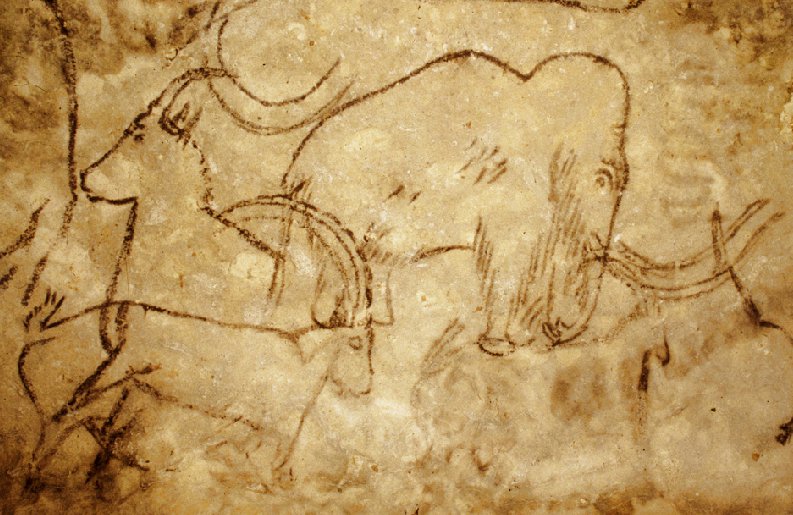
Rouffignac Cave, also known as the Cave of the Hundred Mammoths, holds the most extensive cave system of the Périgord, with more than 8 kilometers of underground passageways, and in 1979 it was made a UNESCO World Heritage site. Prehistorians have documented 255 figurative representations there, of which mammoths account for over 60 percent, alongside bison, horses, ibex and rhinos. The cave's 158 depictions of mammoths equate to about 30 percent of the mammoths known throughout Palaeolithic art, and the figures share a uniform style built on a simple flowing line that evokes the back and a "two fingers" extremity of the trunk. The rock art is about 13,000 years old and belongs to the Magdalenian culture.
The first fossilized woolly mammoth remains were retrieved from Russia by Mikhail Adams in 1806 and have fuelled debate about what happened to this ancient relative of the Asian elephant.
Colossal Biosciences produced "woolly mice" with long, golden and wavy hair by editing seven genes related to hair growth in the mouse genome. Scientists implanted genetically modified embryos in female lab mice that gave birth to the first of the woolly pups in October, a step the researchers called validation for their longer-term de-extinction project. The company plans to modify the genomes of Asian elephants, the closest living relative of mammoths, to give them mammoth traits, and describes its approach as functional de-extinction because it says cloning an extinct species is not possible without a living cell. It hopes to produce mammoth-like Asian elephant embryos by the following year and its first calves by 2028 while also working on the dodo bird and the Tasmanian tiger. Critics such as evolutionary biologist Vincent Lynch argue that giving an Asian elephant the superficial appearance of a mammoth is not de-extinction but genome engineering.
9. Timeline: from the origin of the woolly mammoth to the last population
- About 800,000 years agoThe woolly mammoth evolves in northeast SiberiaPopulations of steppe mammoths that were well adapted to harsh conditions evolve into the woolly mammoth, Mammuthus primigenius, which then spreads west across Eurasia and east into North America.
- About 400,000 years agoA hybridisation event shapes the Columbian mammothA hybridisation between steppe mammoths and early woolly mammoths gives Columbian mammoths half steppe mammoth DNA and half early woolly mammoth DNA.
- About 100,000 years agoMammoths cross Beringia into North AmericaMammoths spread through Europe and cross the Bering land bridge into North America; more than 25,000 mammoth remains have been discovered since the first finds in Siberia.
- About 17,100 years agoAn Arctic mammoth's travels are recorded in its tuskAn Arctic woolly mammoth that lived during the last ice age moves across a geographically extensive range during its roughly 28-year life, as reconstructed from strontium isotope profiles in its 1.7-meter-long tusk.
- About 13,000 years agoMagdalenian artists draw mammoths at RouffignacThe artists of Rouffignac Cave in the Dordogne produce more than 250 engravings and drawings, including about 158 depictions of mammoths, in what becomes known as the Cave of the Hundred Mammoths.
- About 10,000 years agoWrangel Island mammoths are cut off by rising seasRising global sea levels isolate a mammoth population on Wrangel Island off northeastern Siberia, creating the species' last stronghold.
- About 5,600 years agoThe last mammoths of St. Paul IslandWoolly mammoths persist on St. Paul Island in Alaska's Pribilof Islands in the Bering Sea until about this time, one of the species' final refuges.
- About 4,000 years agoThe last woolly mammoths die out on Wrangel IslandAfter more than 200 generations of isolation and ongoing inbreeding depression, the last known woolly mammoth population becomes extinct.
- 1799Blumenbach and the naming of the speciesThe scientific name Mammuthus primigenius dates to this year, when Blumenbach described the woolly mammoth.
- 1806The first mammoth remains retrieved from RussiaMikhail Adams retrieves the first fossilized woolly mammoth remains from Russia, a find that fuels a long scientific debate about what happened to this ancient relative of the Asian elephant.
- May 2007Discovery of LyubaReindeer herders find the frozen body of the baby mammoth Lyuba on the banks of the Yuribei River on the Yamal Peninsula in northwest Siberia.
- October 2008Discovery of KhromaThe second CT-scanned calf, Khroma, is found near the Khroma River in northern Yakutia, frozen in permafrost in an upright position.
- August 2010Discovery of YukaA mummified juvenile woolly mammoth, later nicknamed Yuka, is found on the Oyogos Yar coast near the Kondratievo River in the Laptev Sea region of Sakha Republic, Russia.
- 17 February 2021Million-year-old mammoth DNA publishedGenome-wide data from three mammoth specimens, two of them more than one million years old, reveal a previously unrecognized lineage that was ancestral to the first mammoths to colonize North America.
- 11 July 2024Mammoth chromosomes reconstructed in 3DResearchers reconstruct the chromosomes of a 52,000-year-old woolly mammoth in their original three-dimensional configuration, revealing which genes were active in its skin.
- March 2025'Woolly mice' engineered with mammoth traitsColossal Biosciences announces mice engineered with mammoth-like hair traits, presenting the work as a step toward its goal of a mammoth-like Asian elephant.
References (22)
- 1Woolly mammoth | Size, Adaptations, & Facts — Encyclopaedia Britannica WebView source
- 2X-Ray Computed Tomography of Two Mammoth Calf Mummies (Fisher et al., Journal of Paleontology) — University of Minnesota Duluth / University of Michigan Museum of Paleontology WebView source
- 3Were all mammoths woolly? — Natural History Museum (London) WebView source
- 4Mammoth evolution as a model for species origins — Natural History Museum (London) WebView source
- 5Mammoths, molecules and morphology: A case study in ancient speciation (Palaeontologia Electronica) — Palaeontologia Electronica (Lister & Dalén) WebView source
- 6Million-year-old DNA sheds light on the genomic history of mammoths (Nature, 2021) — Nature 2021 JournalView source
- 7Pleistocene Megafauna and the Bering Land Bridge — U.S. National Park Service WebView source
- 8Climate Change, Humans, and the Extinction of the Woolly Mammoth (PLOS Biology, 2008) — PubMed Central / National Center for Biotechnology Information 2008 WebView source
- 9What a mammoth's tusk can tell us about its life — U.S. National Park Service WebView source
- 10What Killed the Woolly Mammoth? (PLOS Biology, 2008) — PubMed Central / National Center for Biotechnology Information 2008 WebView source
- 11Temporal dynamics of woolly mammoth genome erosion prior to extinction (Cell, 2024) — Cell Press 2024 BookView source
- 12Late Quaternary dynamics of Arctic biota from ancient environmental genomics (Nature, 2021) — Nature 2021 JournalView source
- 13Complete genomes reveal signatures of demographic and genetic declines in the woolly mammoth (Current Biology, 2015) — PubMed Central / National Center for Biotechnology Information 2015 WebView source
- 14Woolly mammoth chromosomes reconstructed using fossilized sample — U.S. National Science Foundation WebView source
- 15Woolly mammoth genome rebuilt in 3D from freeze-dried skin — Natural History Museum (London) 2024 WebView source
- 16Genetic Structure and Extinction of the Woolly Mammoth, Mammuthus primigenius (Current Biology, 2007) — Barnes et al. / UCSC Paleogenomics Lab 2007 WebView source
- 17Short lives, violent deaths: Two CT-scanned Siberian mammoth calves yield trove of insights — University of Michigan News WebView source
- 18Crustacean remains from the Yuka mammoth raise questions about non-analogue freshwater communities in the Beringian region during the Pleistocene (Scientific Reports, 2020) — Scientific Reports (Nature Portfolio) 2020 JournalView source
- 19Rouffignac Cave — Bradshaw Foundation WebView source
- 20Colossal Biosciences engineers mice with woolly mammoth traits — Chemical & Engineering News (American Chemical Society) 2025 WebView source
- 21Hoping to revive mammoths, scientists create 'woolly mice' — NPR 2025 WebView source
- 22Ice-Age Mammals — U.S. National Park Service — Bering Land Bridge National Preserve WebView source
 Monarch Migration
