القمر
Earth's only natural satellite — a world of ancient lava plains, impact craters, and the first celestial body visited by humans.
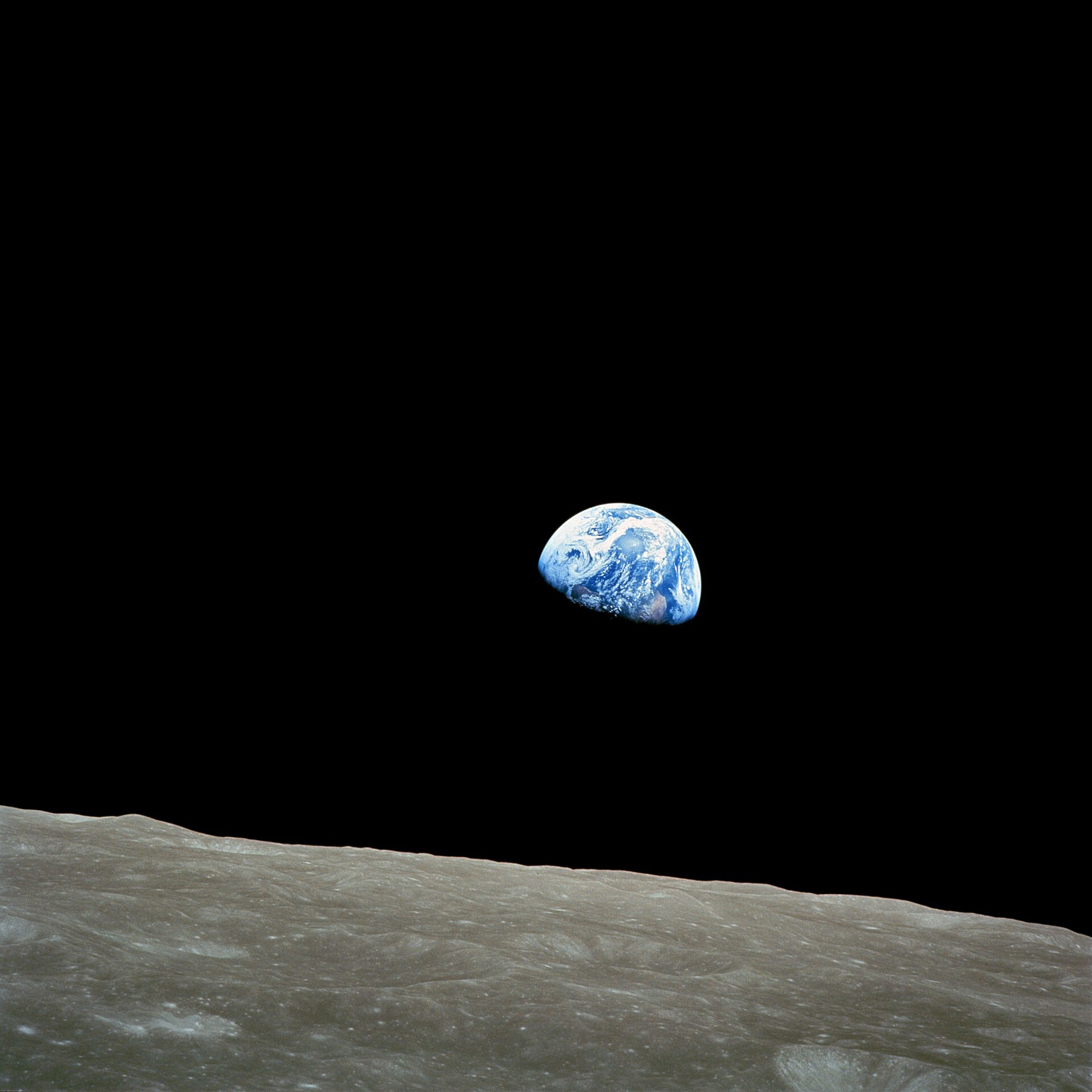

القمر هو التابع الطبيعي الوحيد للأرض، وهو الجرم السماوي الأقرب إلينا والأكثر إلفة في سمائنا. يدور حول الأرض على مسافة متوسطة تبلغ 384,400 كيلومتر، أي ما يعادل 238,855 ميلاً. ومن هذه المسافة، يمكن أن تتسع المسافة بين الأرض والقمر لما يعادل ثلاثين كوكباً بحجم الأرض. وهو خامس أكبر قمر في المجموعة الشمسية، ومع ذلك يبدو…
كيف تشكل القمر
يُعتقد أن القمر تشكل في اصطدام هائل: جسم ضخم يُدعى ثيا، نسبة إلى الجبارة الأسطورية اليونانية والدة سيلين إلهة القمر، ارتطم بالأرض وقذف مواد إلى الفضاء أصبحت القمر. ويُرجح أن هذا الاصطدام وقع قبل عدة مليارات من السنين. وقد أشارت أعمار العينات الصخرية إلى أن القمر تشكل بعد نحو 60 مليون سنة من بدء تشكل النظام الشمسي.
أظهرت أنواع العينات وتركيبها أن القمر كان منصهراً أثناء تشكله، وكان مغطى بمحيط عميق من الصهارة لعشرات الملايين إلى مئات الملايين من السنين. ويُعتقد أن العينة القمرية 60639، وهي معدن فاتح اللون، طفت إلى أعلى محيط الصهارة وشكلت أول قشرة للقمر قبل نحو 4.4 مليار سنة. وقد تراكمت الحطام الناتج من الأرض ومن الجسم المصطدم لتشكل التابع الطبيعي على مسافة 384,000 كيلومتر، أي 239,000 ميل.
كان القمر حديث التشكل في حالة منصهرة، لكن خلال نحو 100 مليون سنة، تبلور معظم محيط الصهارة العالمي، وطفت الصخور الأقل كثافة إلى الأعلى مشكلة القشرة القمرية. وقد سادت فرضية الاصطدام العملاق بعد أن زارت بعثات أبولو القمر في أواخر الستينيات وأوائل السبعينيات. وأدت هذه البعثات إلى ثورة في فهمنا لأصول القمر.
تراجعت الفرضيات السابقة التي كانت تقول إن القمر جسم التقطته جاذبية الأرض أثناء مروره، أو أنه تشكل إلى جانب الأرض من الحطام نفسه، بعد أن أعادت بعثات أبولو بيانات و842 رطلاً، أي 382 كيلوغراماً، من العينات القمرية. وقد غيرت هذه العينات فهمنا جذرياً. وما زال العلماء يدرسونها حتى اليوم.
اقتباس من أبولو 11
عندما وطأ نيل أرمسترونغ سطح القمر، قال عبارته الشهيرة التي سمعها ملايين البشر حول العالم: «خطوة صغيرة للإنسان، قفزة عملاقة للبشرية». وقد أصبحت هذه الكلمات رمزاً للإنجاز البشري في استكشاف الفضاء. وما زالت تتردد في ذاكرة البشرية جمعاء.
بعثات إلى القمر
شهد تاريخ استكشاف القمر بعثات روبوتية ومأهولة عديدة، كان لكل منها إسهام في توسيع معرفتنا. وفيما يلي جدول يلخص أبرز هذه البعثات وإنجازاتها.
Timeline
The far side is seen for the first time
A Soviet spacecraft flew past the Moon, giving humans the first view of the lunar far side.1
Apollo 11 launches
Apollo 11 lifted off from Cape Kennedy carrying Armstrong, Collins, and Aldrin.2
First humans on the Moon
The Eagle landed in the Sea of Tranquility; Armstrong and Aldrin walked on the surface for more than two-and-a-half hours, spending 21 hours and 36 minutes on the Moon.2
Return to Earth
Apollo 11 splashed down in the Pacific Ocean, 13 miles from the USS Hornet, after a flight of 195 hours, 18 minutes, 35 seconds.2
First soft landing on the Moon
The Soviet Luna 9 lander achieved the first lunar soft landing and returned the first picture from the lunar surface.3
Humans orbit the Moon for the first time
Apollo 8 was the first crewed launch of the Saturn V rocket; on Christmas Eve, Frank Borman, Jim Lovell, and Bill Anders became the first humans to orbit the Moon and the first to see an Earthrise above its surface.4
Robotic sample return and the first lunar rover
Luna 16 achieved the first robotic sample return from beyond Earth, and Lunokhod 1 became the first robotic rover to explore the surface of a world beyond Earth.3
The last Apollo landing
The final Apollo mission took place in December 1972, when Eugene Cernan and Harrison Schmitt collected a record amount of lunar samples over three moonwalks; Cernan was the last person to leave footprints on the Moon.5
Water confirmed at the lunar south pole
LCROSS and its Centaur stage impacted the Moon on 9 October 2009; on 13 November 2009, NASA announced that the mission had successfully uncovered water near the Moon's south pole.6
First landing on the lunar far side
China's Chang'e 4 and its Yutu 2 rover made the first lunar far-side landing.3
New firsts for India and China
Chandrayaan-3 became the first spacecraft to soft land near the lunar South Pole, and Chang'e 6 made the first sample return from the lunar far side.3
The Artemis era begins
After Artemis I conducted the first integrated flight test of the Orion spacecraft and the Space Launch System rocket in November 2022, Artemis II carried four astronauts around the far side of the Moon and safely back to Earth in April 2026.7
Knowledge graph
المصادر والاستشهادات
كل معلومة في هذا المقال مستمدة من المصادر أدناه، والأرقام بين قوسين في النص تشير إلى المصدر المقابل.
- 1
- 2
- 3
- 4
- 5
- 6
- 7
- 8
- 9
- 10