Orchid
The orchid family, from its diversity and pollination tricks to vanilla, orchid mycorrhiza, the great botanic collections and the fight to conserve them.
Orchids are one of the largest flowering-plant families, with more than 28,000 species growing as epiphytes, lithophytes and terrestrials on almost every continent. Their flowers practise extraordinary pollination strategies, from the sexual deception of Ophrys and the bucket traps of Coryanthes to the long-spurred Angraecum sesquipedale whose hawkmoth Darwin predicted. Vanilla is the family's great commercial crop, hand-pollinated since Edmond Albius in 1841, while the collections at Kew and Singapore, orchid mycorrhiza and the family-wide CITES listing frame how orchids are studied and protected.
In this article
- 1Overview
- 2Scale and Classification
- 3Distribution and Diversity
- 4Evolution and Origins
- 5Vegetative Biology and Water Economy
- 6Seeds and Germination
- 7Pollination and Deception
- 8Darwin's Orchid and the Long Spur
- 9Vanilla: Cultivation and Curing
- 10Conservation and Trade
- 11Collections and Horticulture
- 12Timeline
- 13Timeline: from the first orchids to the great collections
- 14Knowledge graph
Overview
Orchidaceae is one of the largest families of flowering plants, with more than 28,000 accepted species in 763 genera. Orchids occur on almost every continent and in nearly every habitat.
1. Scale and Classification
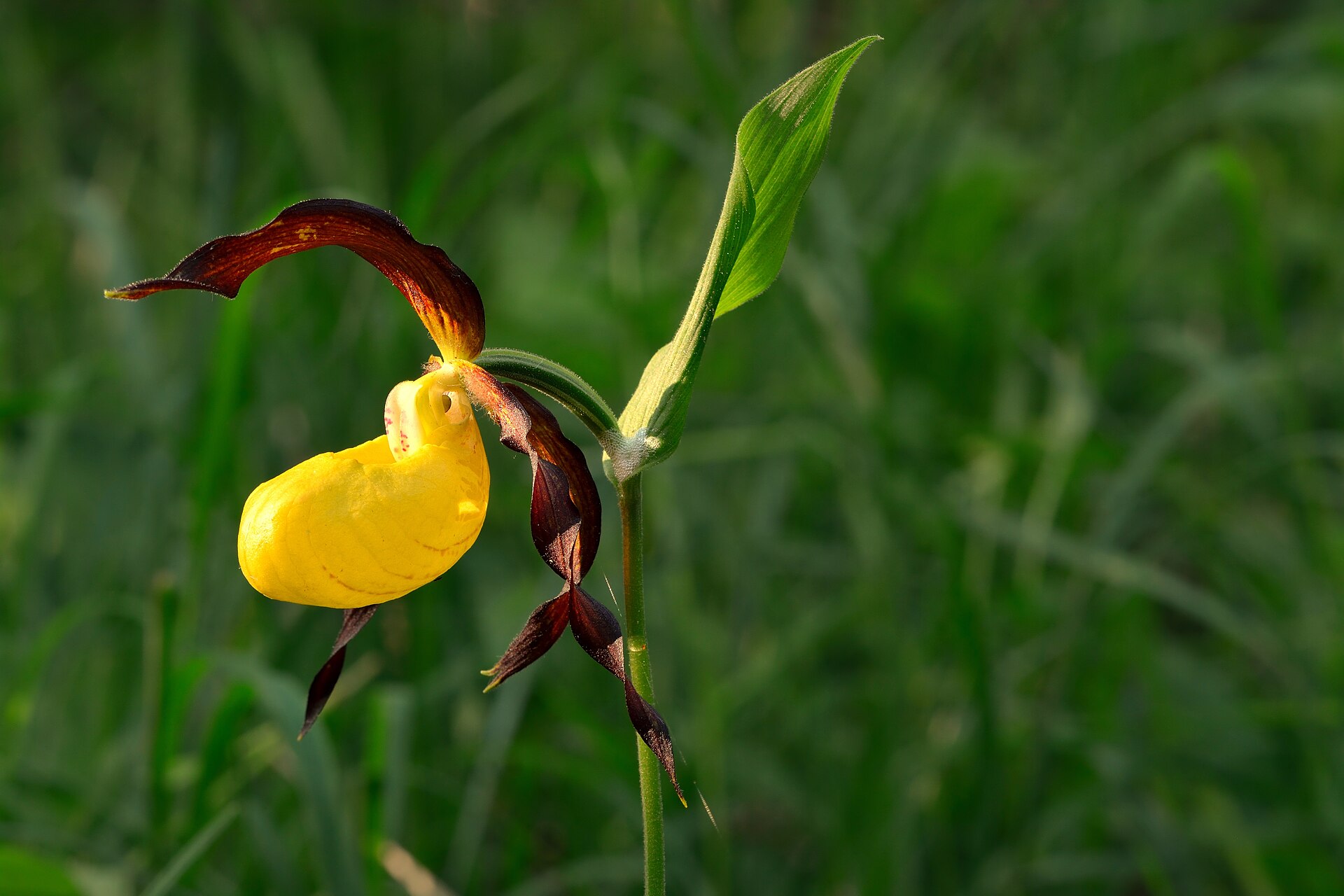
The orchid family is the largest family listed under CITES, with a figure of around 30,000 species given in that context. Counts of accepted species differ between authorities: more than 28,000 accepted species are placed in 763 genera, while Kew gives a figure of about 27,800 species. The family is divided into five subfamilies, and the slipper orchids, Cypripedioideae, occupy a position within that arrangement.
Cypripedioideae comprises about 182 recognised species. Within the group, Cypripedium is the most widespread slipper genus, with 52 species whose range extends from North and Central America to Europe and Asia.
2. Distribution and Diversity
China's orchid flora is the richest in Asia after Indonesia and Malaysia, with more than 1,700 species recorded there. The island of Madagascar holds a comparable concentration of diversity in a far smaller area: roughly one in ten of its 10,000 to 12,000 vascular plant taxa is an orchid, and most of these are endemic. Within Madagascar the Itremo Massif functions as a micro-hotspot, sheltering more than 50 orchid taxa.
The American tropics support about 7,000 orchid species, a fifth of the world total, a radiation that arose only 15 to 20 million years ago. The Andes concentrate about 15% of the world's plant species on only 1% of the earth's surface. Andean orchids are therefore very young compared with the first appearance of orchids about 110 million years ago.
3. Evolution and Origins
For more than a century, scientists assumed that epiphytes were mostly widespread because of their remarkable dispersal abilities.
Researchers assembled a 5.2 Gb chromosome-scale genome of Ophrys sphegodes, the early spider-orchid. A burst of transposon activity in the Ophrys genome preceded the group's adaptive radiation. The labellum pattern is thought to be involved in aversive learning that increases outcrossing, not in attracting males.
4. Vegetative Biology and Water Economy
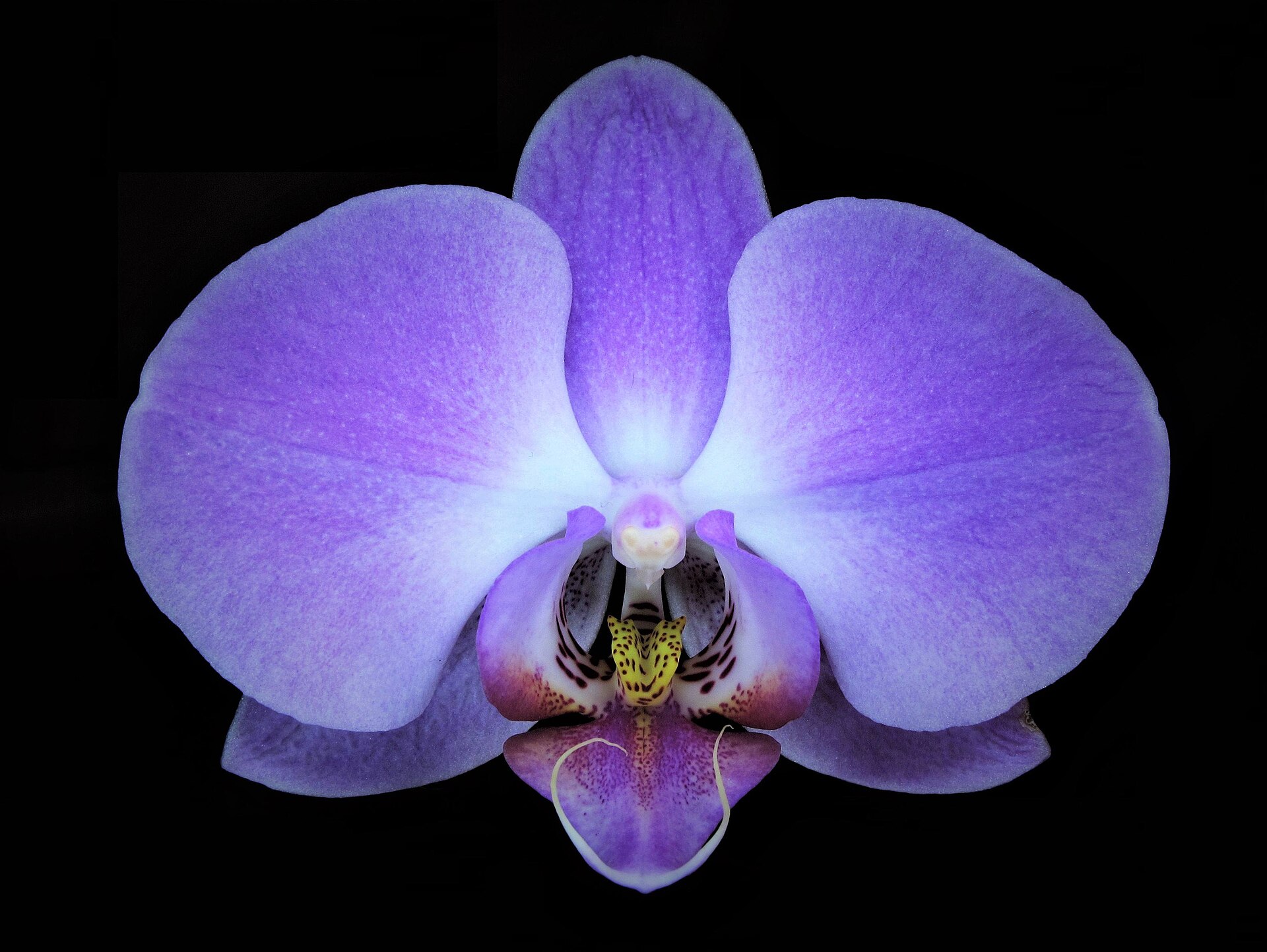
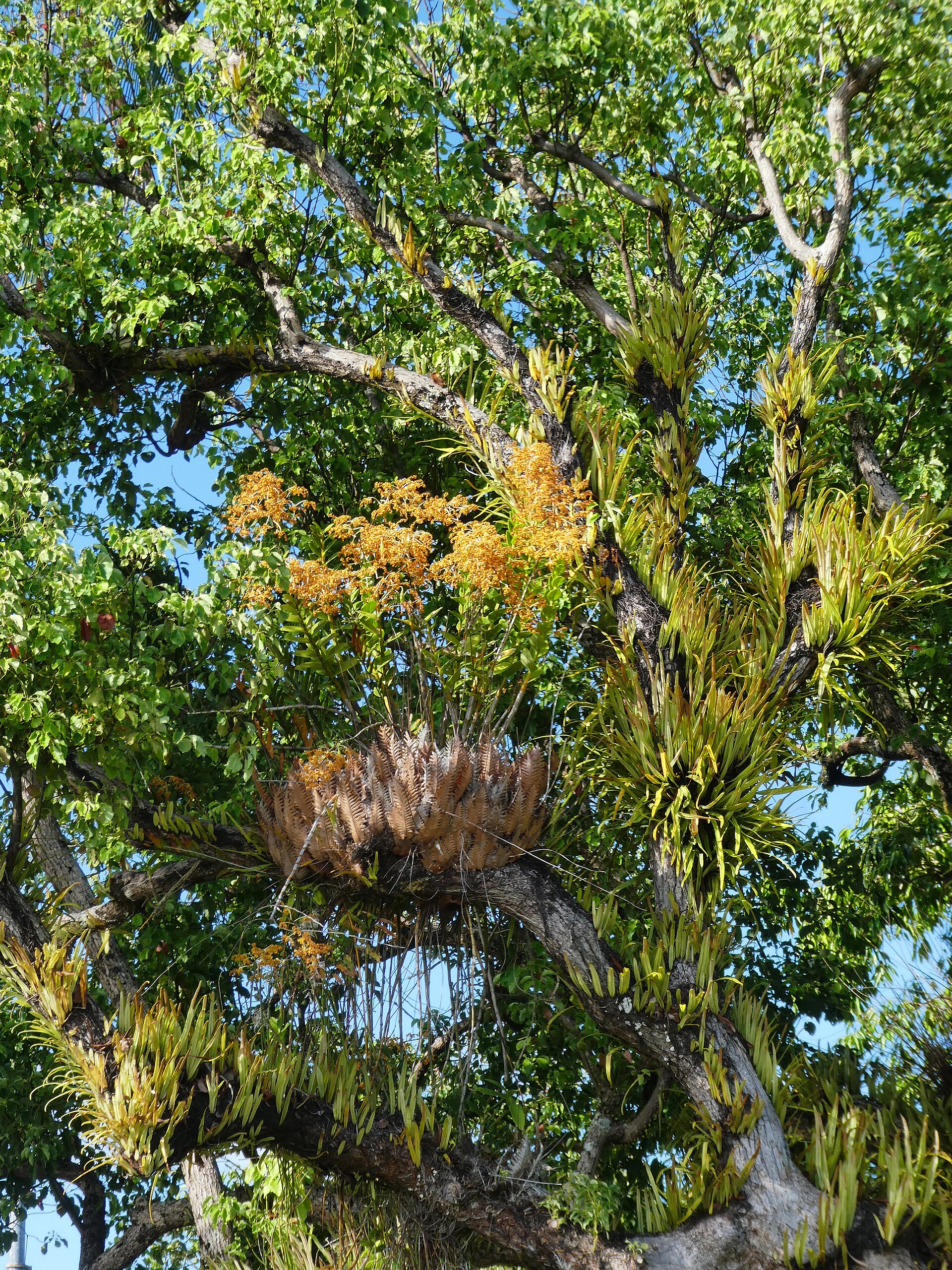
Epiphytes perch on bark or nestle among branches, drawing the moisture they need from rain and fog. They may resemble parasites, yet they neither harm nor benefit the trees that carry them. The moth orchid is a familiar epiphytic houseplant.
The velamen radicum, a unique dead structure on the root surfaces of most epiphytic orchids, is made of dead air-filled cells and is thought to act like blotting paper. Pseudobulbs store water through dry spells. The velamen and mycorrhizal fungi can compensate for the lack of root hairs in absorbing nutrients from the air.
5. Seeds and Germination
Orchid seeds are among the smallest produced by any flowering plant, ranging from 0.25 mm to 1.2 mm in length. Each is little more than a seed coat enclosing a rudimentary embryo composed of 80 to 300 undifferentiated cells. The embryo is not organized into the distinct tissues — root, shoot, and leaf primordia — that characterize the seeds of most other plants, and the seed carries no stored food reserve to sustain the young plant after it begins to grow.
Because the embryo cannot draw on its own reserves, germination in nature depends entirely on the seed forming a mycorrhizal association with an appropriate fungus, which supplies the carbon and nutrients the seedling requires. Lewis Knudson's 1922 paper described the nutrient medium that made large-scale orchid breeding possible, freeing growers from reliance on the fungus. Nearly all orchids grown from seed at Kew are germinated in vitro, a technique used there since the 1980s. For critically endangered species, however, seed baiting to find fungal partners can be too wasteful, since few packets yield seedlings.
6. Pollination and Deception
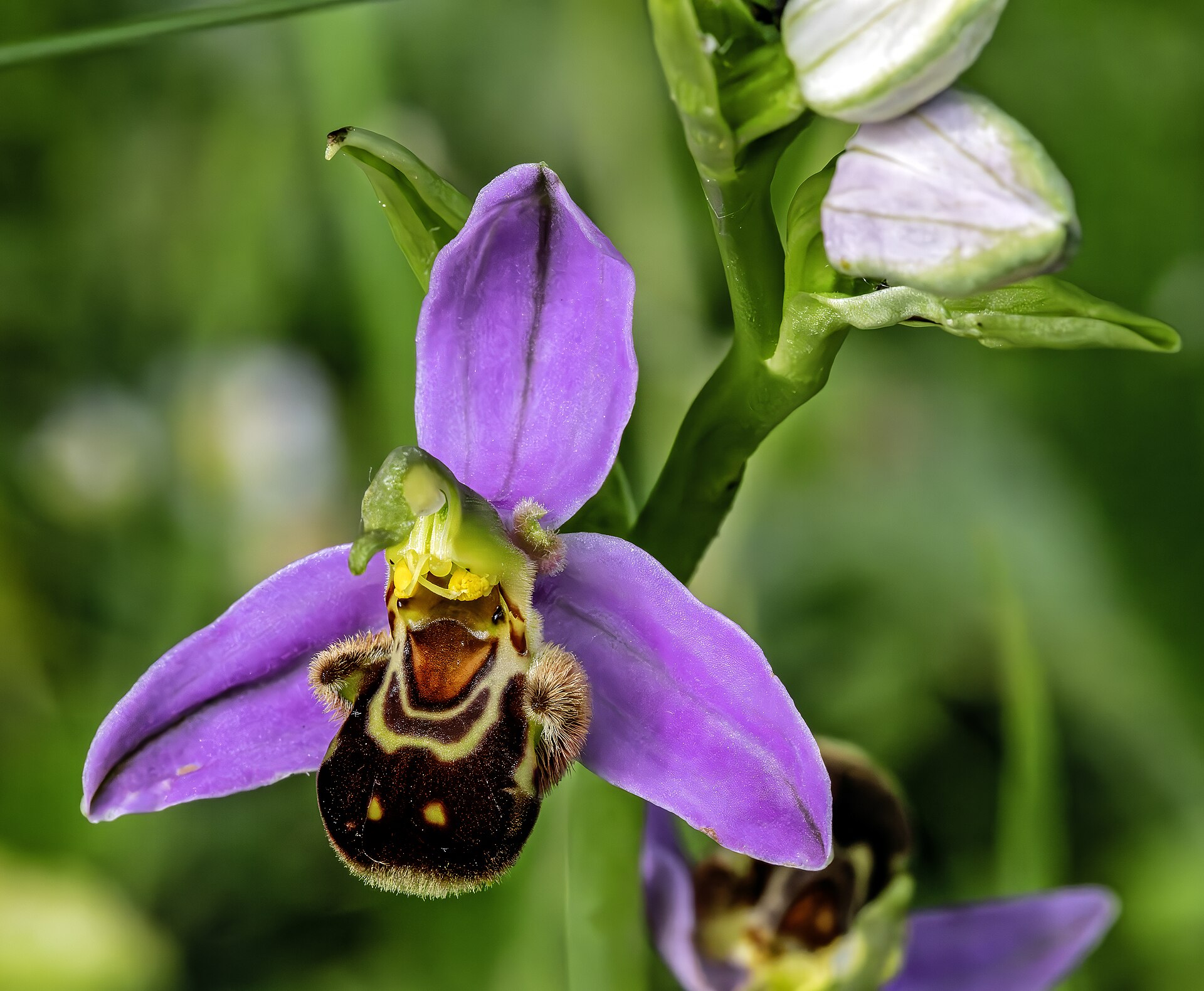
The genus Ophrys comprises about 260 species, nearly all sexually deceptive and usually attracting males of a single species. The pink perianth of Ophrys heldreichii increases detectability by its pollinator, males of the long-horned bee Eucera berlandi. The orchid mimics the female insect's hairs, wings and pheromones to lure males into pseudocopulation, a species-specific strategy called sexual deception.
About 250 species of orchid bees pollinate thousands of tropical American plants, roughly a third of the local flora.
In the bucket orchid Coryanthes, a bee slips on the waxy, smooth mesochil and falls into the fluid-filled, bucket-like epichil; the only way out is a tunnel, where the bee first contacts the stigma and then the anther, which glues pollinaria onto its thorax. A female Euglossa dilemma bee found dead in a Coryanthes flower still carried the orchid's pollinarium.
7. Darwin's Orchid and the Long Spur
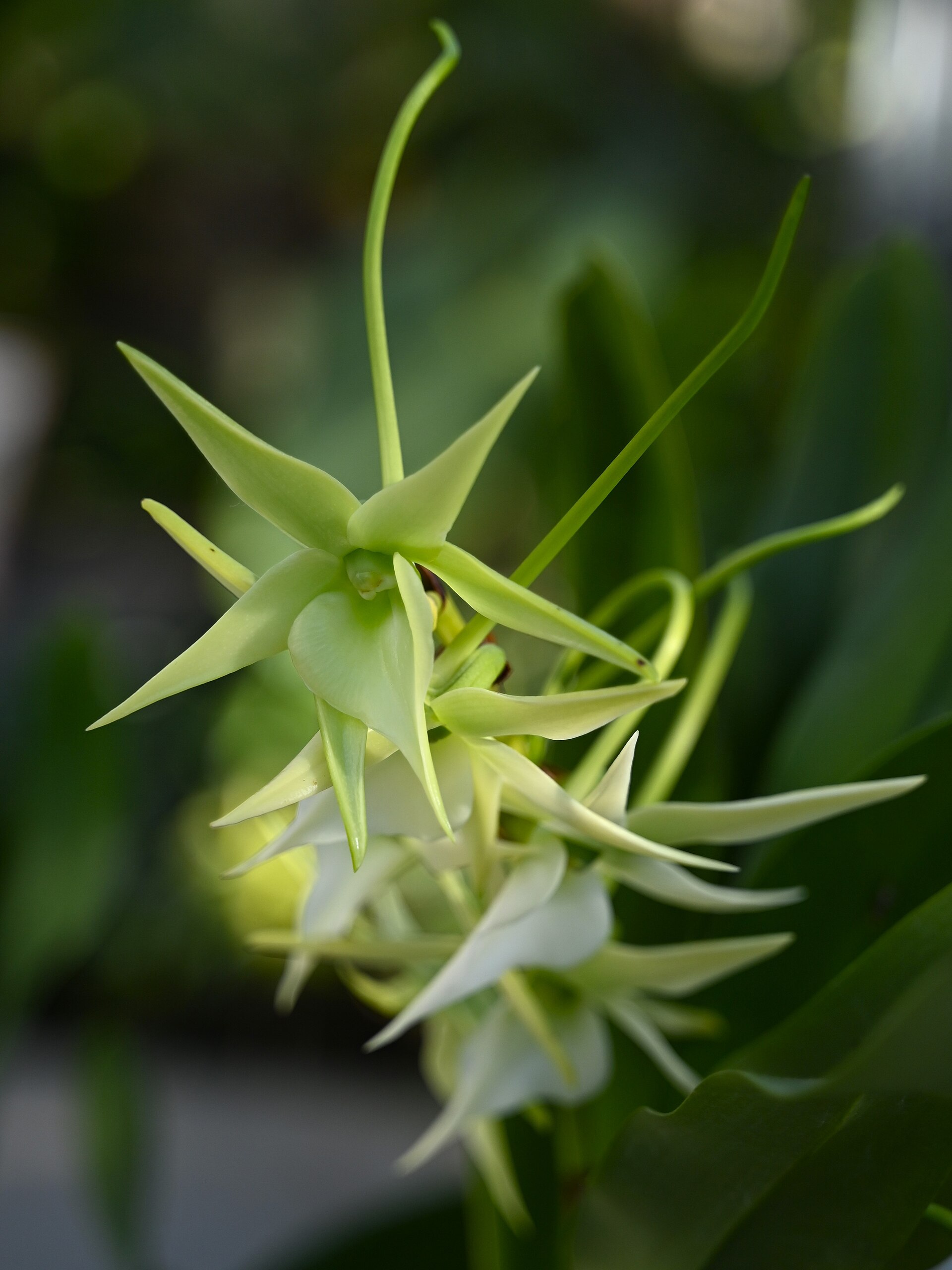
Angraecum sesquipedale is known as Darwin's orchid for the theory that a not-yet-discovered moth pollinated it. The recently described Solenangis impraedicta carries a nectar spur reaching 33 cm, the third longest spur ever recorded in flowering plants and the longest relative to flower size. Its name impraedicta means unpredicted in Latin, a nod to the 130 years it took to confirm Darwin's prediction.
8. Vanilla: Cultivation and Curing
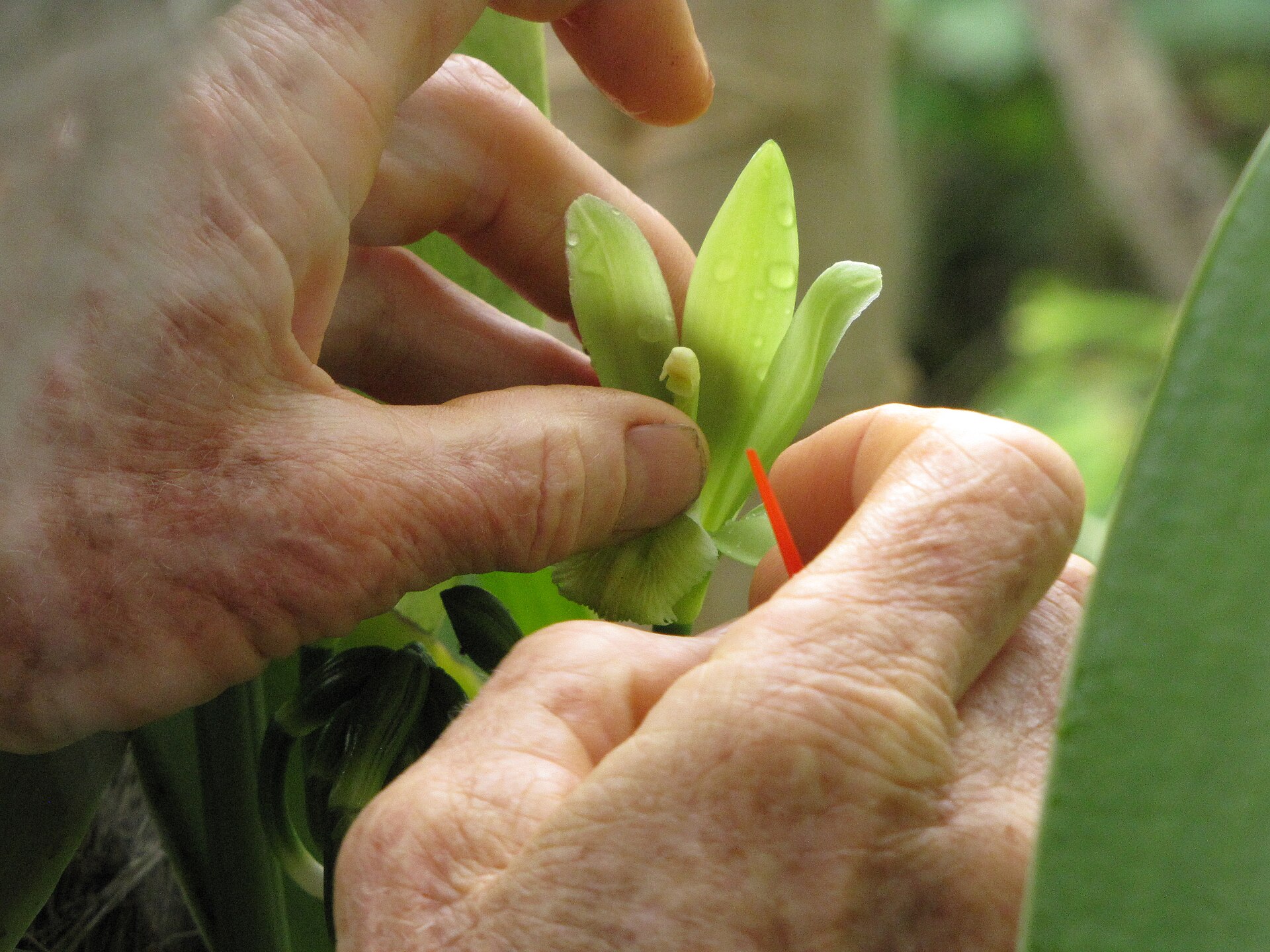
For 20 years after vanilla reached La Réunion the plants stayed infertile because no natural pollinator was present. Albius used a stick to lift the wall separating the flower's male and female organs and rub them gently together.
Curing runs through blanching, sweating, drying and conditioning. Blanching destroys cell and tissue structure so flavour precursors dissolve out. The enzyme beta-glucosidase was not detected in blanched or sweating beans but appeared after drying. Vanillin content rose from 0.03% in green beans to 2.69% in drying beans, with a peak of 2.97% in the fully cured beans of the study. Vanillin is formed by hydrolysis of glucovanillin or oxidation of vanillyl alcohol. After drying the beans are conditioned in closed wooden boxes at room temperature for six months.
9. Conservation and Trade
Nearly 60% of orchid species may be at risk of extinction, far higher than for flowering plants overall.
The entire orchid family is listed under CITES so that international trade does not harm wild populations.
Conservation practice combines ex situ storage, propagation, reintroduction and conservation genetics. Around half a billion orchid plants are produced each year in commercial horticulture, a scale that could help prevent extinction.
Only about 2% of orchid species had been assessed for the IUCN Red List, compared with all conifers and all carnivorous plants. A Red List assessment of the slipper genus Cypripedium found 79% of its species threatened, with 46% of them endangered.
The slipper genera Paphiopedilum and Phragmipedium are listed in CITES Appendix I, so trade in them is prohibited except for non-commercial purposes or for artificially propagated plants.
A CITES-commissioned review identified 374 documented edible orchid species. Protection of areas such as national parks has not prevented the harvesting of Chikanda orchids inside them, and CITES parties are urged to create Non-detriment Findings for trade in edible orchid products.
10. Collections and Horticulture
The Cayman ghost orchid Dendrophylax fawcettii is leafless, with white flowers that appear to float in mid-air.
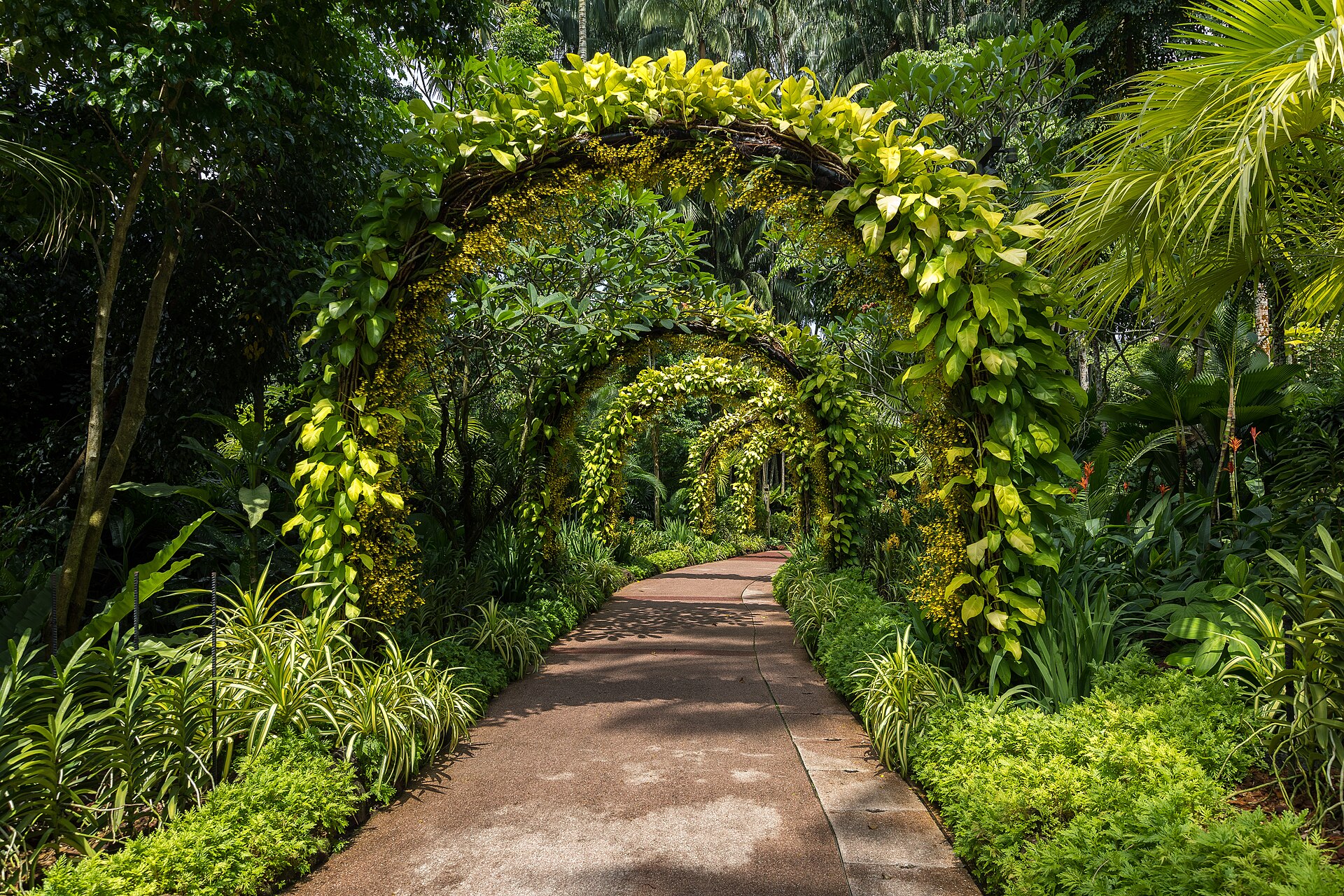
Singapore's orchid collection gained a dedicated nursery and orchid house in 1899, growing from a modest 1870s beginning under Henry Ridley.
The Missouri Botanical Garden's orchid story began when the first specimens were given to Henry Shaw in the early 1870s.
11. Timeline
-
1834Darwin collects Chloraea magellanicaCharles Darwin collects Chloraea magellanica on Chile's Elisabeth Island.
-
1870sEarly collections in St. Louis and Singapore
-
1899Singapore orchid houseSingapore's orchid collection gains a dedicated nursery and orchid house.14
-
1922Knudson's nutrient medium paperLewis Knudson publishes his paper on the nutrient medium.
-
1954First World Orchid CongressSt. Louis hosts the first World Orchid Congress.
-
1995National Orchid Garden opensThe National Orchid Garden opens.14
-
1999Paphiopedilum vietnamense discoveredPaphiopedilum vietnamense is discovered.
-
2021Orchidetum added; Réunion vanilla protectedThe Tropical Montane Orchidetum is added to the National Orchid Garden, and Vanille de l'île de La Réunion is designated a protected geographical indication.14
12. Timeline: from the first orchids to the great collections
- about 110 million years agoOrchids appear in the age of dinosaursThe orchid family first appeared on earth about 110 million years ago, long before the great burst of orchid species in the American tropics.
- 15 to 20 million years agoA burst of orchid species in the AndesA remarkable 7,000 species of orchids from the American tropics, about a fifth of all living species, formed only 15 to 20 million years ago as the Andes rose.
- 1834Darwin collects an orchid in ChileDuring the voyage of the Beagle, Charles Darwin set foot on Chile's Elisabeth Island, where he came across the orchid Chloraea magellanica.
- 1841Edmond Albius unlocks vanillaEdmond Albius, a 12 year old enslaved boy on La Reunion, discovered how to pollinate vanilla by hand, a technique still used today.
- 1862Darwin predicts the long-tongued mothCharles Darwin reasoned that Angraecum sesquipedale, known as Darwin's orchid, must be pollinated by a not-yet-discovered moth with a long proboscis.
- 1899A dedicated orchid house at SingaporeThe Singapore Botanic Gardens' orchid collection, flourishing under Henry Ridley, grew from a modest orchid house in the 1870s into a dedicated nursery and orchid house in 1899 to meet growing demand.
- 1922Knudson germinates orchids without a fungusLewis Knudson published the demonstration that orchid seeds can germinate on a simple nutrient medium, opening the way to modern orchid breeding.
- 1923Five thousand Cattleyas from PanamaG.H. Pring of the Missouri Botanical Garden collected orchids in Panama and Colombia and returned with 5,000 Cattleyas.
- 1954First World Orchid CongressSt. Louis was the site of the first World Orchid Congress, hosted by the Missouri Botanical Garden.
- 1995National Orchid Garden opensIn 1995 the National Orchid Garden opened, becoming one of the largest and most impressive orchid collections in the world.
- 1999Paphiopedilum vietnamense discoveredPaphiopedilum vietnamense was virtually wiped out after its discovery in 1999 in neighbouring Vietnam, a sobering example of collecting pressure.
- 2012Itremo Massif protectedA 273 km2 area of Madagascar's Itremo Massif was given Protected Area status in 2012 for its unique flora and fauna.
- January 2015First symbiotic reintroductionsSeveral hundred symbiotically germinated seedlings of Cynorkis purpurea and Benthamia cinnabarina were taken back to Madagascar in the first wave of reintroductions to Itremo.
- 2021The Orchidetum opens at SingaporeThe National Orchid Garden expanded in 2021 with the Tropical Montane Orchidetum, adding cool-climate species on a journey through the tropics.
- 2024A record nectar spur describedScientists described Solenangis impraedicta, whose 33 cm nectar spur is the third longest ever recorded among flowering plants.
References (18)
- 1Physiological diversity of orchids (Plant Diversity) — National Center for Biotechnology Information, PMC WebView source
- 2The science behind the festival: orchids of China — Royal Botanic Gardens, Kew 2026 WebView source
- 3Balancing Tradition, Commerce, and Conservation with Edible Orchids — CITES Secretariat WebView source
- 4Genome of the early spider-orchid Ophrys sphegodes provides insights into sexual deception and pollinator adaptation (Nature Communications, PMC) — National Center for Biotechnology Information, PMC WebView source
- 5Orchid collection digitised! What interesting orchids have we uncovered? — Royal Botanic Gardens, Kew WebView source
- 6Slipper orchids are closer to the edge than we thought — Royal Botanic Gardens, Kew WebView source
- 7Missouri Botanical Garden scientists describe new orchid species related to famous Darwin's orchid — Missouri Botanical Garden WebView source
- 8Above the forest floor: how rare are orchids in the wild? — Royal Botanic Gardens, Kew WebView source
- 9Visual discrimination between two sexually deceptive Ophrys species by a bee pollinator (PMC) — National Center for Biotechnology Information, PMC WebView source
- 10Experiment 2: Asymbiotic Seed Germination and Development of Orchids — Cornell University, Department of Horticulture WebView source
- 11Female orchid bee Euglossa dilemma visits the perfume orchid Coryanthes panamensis in Florida — Lankesteriana, Universidad de Costa Rica WebView source
- 12Vanille de l'ile de La Reunion PGI — European Commission, Directorate-General for Agriculture and Rural Development WebView source
- 13Metabolite Transformation and Enzyme Activities of Hainan Vanilla Beans During Curing to Improve Flavor Formation (Molecules, PMC) — National Center for Biotechnology Information, PMC WebView source
- 14National Orchid Garden — National Parks Board, Singapore Botanic Gardens Web↩View source
- 15Orchids (Notable Plant Collections) — Missouri Botanical Garden Web↩View source
- 16New Heights for Orchids (Plant Talk) — New York Botanical Garden 2015 WebView source
- 17Andean orchids - not so ancient — Royal Botanic Gardens, Kew WebView source
- 18Conserving Madagascar's orchids — Royal Botanic Gardens, Kew WebView source
 Giraffe
 Narwhal
 Bamboo